Friday, February 13, 2015

Newsletter for February 2015

Farm Update


Although the winter temperatures are cold, the chickens are
still doing well and enjoying the outdoors.
Hello everyone!  These last few months have been a pretty relaxed time for us as a farm family.  There isn't much we can do while everything is under snow, although Fred did prune a lot of blueberry bushes a few weeks ago when we had a thaw.  Other than that, most of what we do is indoors.  Fred has been working on building some new equipment and ordering supplies, and I have been focusing on spreading the word about the CSA and doing general record-keeping and tax things.  Fred is also teaching a series of classes at Delta College about small-scale farming.  February is pretty chill around here, in more ways than one.  This is also the time of year that Fred gets antsy to get back outside, so he has been keeping a close eye on the weather for any sign of spring.  And although you can't tell by looking outside, spring will be here soon enough, and the real work of the farm will begin for the year

Resolution Reboot:  How Eating More Veggies Can Help You Reach Your Goals


Ah, February.  The snow is on the ground, the sun is covered by clouds, the excitement of having a brand new year has worn off, and if you are like most people, your new years' resolutions have fallen by the wayside.  Losing our resolve before the end of January is kind of a cliché, and part of that is because people often make really ambitious goals for the new year without planning how to meet them, or we make so many goals that we get overwhelmed with all the changes and give up.  But what if we could change one habit that would have a positive spillover into all of the other areas of our lives?  In my opinion, in eating more real food (as in, heavy on the produce, and no stuff made in a lab), you will be better equipped to achieve other goals in your life.

I did a web search on popular new years' resolutions, and here are some of the most common ones I saw:
  • Lose weight
  • Be fit and healthy
  • Spend more time with loved ones
  • Quit smoking
  • Enjoy life to its fullest
  • Get organized
  • Get out of debt
    Either directly or indirectly, eating healthier foods will make all of these goals easier to reach.  Let's elaborate:
    • Lose weight:  This one is almost a no-brainer.  It's pretty much common knowledge that eating more fruits and veggies helps people lose weight, because they contain more nutrition per calorie, because you need fewer calories of these items to feel full, and because they contain lots of fiber, which is extremely good for us.  What is less well known is that because these contain the nutrients and micronutrients that our bodies require, they allow us to feel satisfied and not crave more food to gain satisfaction.  The thing is to stop associating healthy foods with deprivation.  Admittedly, I would not feel very satisfied after eating a raw carrot (I always wondered why Bugs Bunny seems to like them so much).  But I love carrots sauteed in a little olive oil or coconut oil.  It's all in the preparation.
    Jessamine takes a break from her
    busy schedule of playing to shop
    for fresh fruit at  the Green Tree
    Co-op in Mt. Pleasant.
    • Be fit and healthy:  There are two components to this one:  healthy eating and healthy physical activity, and the two feed into one another.  When you are eating healthily, you have the energy you need to go out there any engage in physical activity.  And when you are physically active, your body wants foods that are good for you.  I don't understand all the science behind why it works that way, but I have experienced it often.  That doesn't mean that if you are a marathoner you won't ever want to eat pizza, but you are more likely to want a slice of pizza and a salad, rather than three slices of pizza.  But you're never going to be able to fuel marathon training if you aren't eating your fruits, veggies, healthy proteins, and some good fats.
    • Spend more time with loved ones:  In recent decades, many families have started taking on lots of interesting activities, from soccer leagues, art classes, and school extracurriculars for the kids to card nights, PTA meetings, and book clubs for the grown-ups.  What this often means is that families are eating together less often, and many people set new years' resolutions to remedy this decrease in family time.  Why not make a healthy meal (out of actual ingredients, not from boxes and cans) and eat it together with your family?  You could even get your kids in on it, even if they aren't old enough to cut veggies or measure ingredients yet.  Basically, if they are old enough to stand unaided and not touch a hot stove or sharp implements, they are old enough to "help".  Our two-year-old likes to stand on a chair next to the stove and keep an eye on things as they cook.  She even gets to stir occasionally, and she loves it.  She calls it her "cooking job."  So cooking and eating a meal with your family is a win-win:  You get to spend more time with them during the cooking and eating, you are eating foods that will fuel you and satisfy you, and your kids/spouse/self get to augment your cooking skills.  And, kids are way likelier to eat foods they helped prepare, and hence, more likely to eat things they traditionally haven't liked.
    • All of the other resolutions:  The effect of healthy eating on the other resolutions (quit smoking, live life to its fullest, get out of debt, get organized) is more indirect.  Basically, when you are eating well, your body feels better and you have more energy.  As anyone who has had chronic pain, migraines, or bad morning sickness can tell you, it's hard to get motivated or focus on accomplishing things when you feel awful.  If you are filling up on foods that make your body and mind feel sluggish, you are far less likely to be motivated to begin or stick with any of these resolutions.  Normally, I am a very motivated, get-it-done kind of person.  But both times I was pregnant, I could barely get up off the couch for the entire first trimester.  So I know how this goes.  And when you're eating a bunch of junk food, that's what you're doing.  Between feeling sluggish, generally having more bulk to carry around, and having more physical difficulties, you are directly inhibiting your ability to reach your goals.  
    So let's reboot those new years resolutions, but instead of trying to focus on everything at once, let's just focus on one thing that will make everything else easier.  Make a commitment to eating more real foods, and you'll probably find that your other goals are falling into place with a lot less effort than they used to require.  Okay... ready, set, GO!

    Thursday, January 8, 2015

    CSA Newsletter for January 8, 2015

    Farm Update


    Fred got quite a lot of pruning done in the
    blueberry patch before the snow halted his work.
    Hello and Happy New Year!  We hope you all had a great holiday season!  We have had a good time relaxing, spending time with family, and going on vacation.  Now that we are past the holiday season, we are getting started on the planning and prep work for next growing season.  It is a very different time for the farm and for the family at this time of year.  There is a lot more down time, and most of the farm work is actually done at home on the phone or the computer, rather than in the field.  The main concerns during this time of year are trying to negotiate the best prices on seeds and supplies, and in general finding ways to improve the farm.  Outside the snow stayed away for most of December, so Fred was able to put up most of the frame of the new greenhouse we’re constructing, as well as make it through almost half the pruning on the blueberries.   Now the ground is covered in a blanket of snow and the farm is resting as well.  Our chickens are still wintering at Fred’s parents and our farm dog, Josie, has moved back to our house for the winter.  The pigs are in the freezer and make a tasty appearance on our table almost every day.  We are also fortunately still able to eat mostly our own veggies, fruit, and meat since we have a lot preserved or in cold storage. We are also able to slow down and spend more time pursuing other personal interests and spending more time as a family. 

    If you want to sign up for the 2015 season and haven’t done it yet, now is the time! In addition to our normal CSA program we will be piloting a home/office delivery option this year for our normal delivery routes through the following areas: Alma, Breckenridge, St. Louis, Ashley, Lansing, East Lansing, Okemos, Riverdale, Elwell, Ithaca, Mt. Pleasant, Winn, Midland, and Shepherd.  Discounts (sometimes deep discounts) can apply to deliveries where there are multiple customers, like at a workplace or neighborhood.  The more shares at a location, the greater the discount for everyone at that location.  Shares will come pre-bagged, and there will be a choice between two different selections of produce that will be the same as what is available at our normal CSA drop-offs. There is a premium price for this delivery service above the cost of a normal share but it depends on where you are located and how many shares are picked up at your location. The home delivery option will be one more way that we can make our high quality produce available to more people, especially for those who find it difficult to get to the normal drop-offs. If you are interested in finding out more about the home delivery option, email us with your location or address and any questions you have, or you can give us a call at 517-896-6884.  We’re excited to add this newest option for getting your veggies, so just let us know if you’re interested!


    Choosing Seed Varieties to Bring You the Very Best Veggies

    One of the varieties we'll be
    growing this year is an heirloom
    bean variety called Dragon's
    Tongue.
    As winter sets in it signals another season at the farm, the planning season.  One of the most important decisions we make this time of year is the choice of our veggie varieties, and Fred takes these decisions very seriously.  He spends many hours with his seed catalogues open around him, poring over them with as much enthusiasm as I displayed as a child poring over the toy section of my Grandma’s big Sears catalogue each December.  This year he has diligently chosen about 100 varieties, taking into account seed cost, yield, disease and insect resistance, appearance, and most of all the flavor, and ensuring that none of the seeds are GMO or chemically treated.  You can probably tell by the taste, but we focus a lot on the quality and flavor of our veggies, and we treat that as a top priority at the farm.  There are a lot of things that go into attaining better flavor, such as how and when we harvest, the fact that we harvest most things the same day you pick it up, that we use natural fertilizer and pay close attention to the needs of our soil, and of course the natural characteristics of the varieties we choose to grow. 


    Every year new varieties come out that are promoted as being some type of improvement over other varieties that existed before.  Fortunately, unlike row crops, the vast majority of new varieties of veggies, fruit, and herbs are created using traditional breeding methods and are non-GMO.  While the new varieties came out using traditional hybridization breeding techniques they almost always focused on yield, ability to last longer during shipping, and disease resistance instead of flavor.  This meant that things like tomatoes got to be harder and blander as the focus was more on shipping it than eating it.  This led to the movement to grow heirloom varieties of vegetables as consumers, gardeners, chefs, and small farmers woke up to the superior taste of some of these old varieties. 

    Another variety we'll be growing
    for the first time this year is these
    Nova grape tomatoes, which will
    go into our cherry tomato mix.
    However as great as some of these old varieties tasted there are very good reasons that larger producers chose not to grow these varieties. Most of those old varieties yield far less (most heirloom tomatoes we have grown yield only a 1/3 to ½ the yield of hybrids), and the disease resistance was much weaker, making the farmer more vulnerable to crop damage, highly variable vegetable quality, or more losses.  We, as many small diversified farms have, decided that our best bet was to sacrifice some reliability and total yield in favor of better taste and texture.  An example would be our new gold beet variety we grew last year that had superior taste to any other beet we know, but does not yield nearly as well as some of the red varieties that have had more breeding focus. However, we might not have to choose too much longer between ease of growing and quality for eating.  As consumers have become more educated and enthusiastic about their food over the last decade, modern breeders have finally started to recognize the economic benefits to be gained in having flavor being a selling point for their new offerings.  This year we will be growing some new hybrid varieties of tomatoes that are meant to replicate many different heirlooms in taste and texture but with much better disease resistance and yield potential.  For once, these new varieties were not bred to ship well but to taste great!  This is good news for us as farmers, especially because being organic, we do not have the same arsenal of sprays as conventional growers have to protect the weaker heirloom plants against disease.  It is also better for the consumer, because when the cost to produce these superior crops goes down, they will hopefully be less expensive and more widely available wherever people buy produce.  Fred has also been seeing more new varieties come out this year that tout flavor as one of their main attributes even from companies that usually are more production focused.  Also, going back to the gold beet example, even though this new variety still yields less than the equivalent red beet, last year’s gold beet introduction is about three to four times more productive than the gold variety that was available 12 years ago when Fred first started as a grower.

    We are already excited about what we will be growing this next year, both the new tastes and flavors and the good old standbys.  This trend indicates a positive outlook for the future, as we as a society start to turn our attention not only to healthy eating, but also to truly good eating using high quality ingredients.  At this time of year, when we are better rested without the day to day craziness of running the farm, there is a lot of optimism and excitement as we look forward to the possibilities of what the next farm season holds.

    Friday, November 21, 2014

    CSA Newsletter for November 21, 2014

    Farm Update


    I've been making lots of handmade Christmas cards,
    so if you are interested in getting someone a CSA
    share as a gift this holiday season, I'll send you one
    of these cute cards to give them! 
    Hi everyone!  The farm certainly looks pretty different from what it did last time I sat down to write a CSA newsletter!  Everything is covered with a few inches of snow, and our harvest season ended pretty abruptly when all the veggies froze overnight.  We were still harvesting some carrots before everything froze, and we are hoping that when things thaw out this weekend, we'll be able to get some more of them out of the ground.  Right now is the time of year when we relax a little, reconnect with family, and start planning for next year.  We are signing people up for the 2015 season, so if you are interested in joining again next summer but haven't done it yet, let me know and I'll put you on the list!  Also, if you are looking for an awesome Christmas gift to get someone special in your life, consider getting them a CSA share.  I'm making a bunch of handmade Christmas cards, so if you sign someone up for a gift share, I'll send you a special card to give them along with their share.  Although we won't see most of you until June, we wish you a happy, healthy, and fun holiday season!


    Nothing New Under the Sun


    The blueberries are under a few inches of snow,
    but pretty soon we will start pruning them for next year.
    It has been said that there is nothing new under the sun, and I am reminded of that every November as we settle in for the winter.  It is what pretty much every farmer has done pretty much every year since the beginning of agriculture, and I love being part of such a long and humble tradition of taking stock of the year and giving thanks for another successful harvest season over and done.  And like all of the farmers of the past and present, we are thankful for many of the same things; that we were able to effectively weather whatever droughts, storms, bugs, weeds, pests, and high winds the year sent us, and that we were able to put delicious and healthy food on our table, and the tables of our friends, neighbors, and customers throughout the growing season.  And we are thankful for the opportunity to do it again next year, and again after that, and again after that.  And like the small farmers of the past, we are thankful also for the community of people around us that make it possible for us to do what we do.  For all of the CSA members who put their faith in us every year and give us the financial jump start to buy seed and all the other things farms need each year.  For all the family who watch our kids while we're at the farm all summer, and all the friends who understand that they probably won't see us for a few months, and all the neighbors who turn a blind eye when we haven't had time to mow our lawn since May, and all the local restaurants and stores who care enough about organic and local food to buy it from small farms instead of huge distributors.  We are so thankful for all the people around us who come together to make this thing possible, and for the opportunity to serve this community in our own small way.

    Saturday, October 18, 2014

    CSA Newsletter for October 18, 2014

    Farm Update


    We got to see this awesome double rainbow at our
    Mt. Pleasant drop-off last week!
    Hi everyone!  Welcome to the last week of the CSA!  Things are definitely drawing to a close around the farm.  Most of the root vegetables have been harvested, the piggies are on their way out, and the weather is telling us it's almost time to call it quits for the year.  But even as we're tying up loose ends on this season, I'm already gearing up for next year's CSA.  I've started the official 2015 CSA membership list, so if you are interested in being part of the program again next year, just let me know!  We've decided to do something a little different with the prices this year too.  For the last several years, there has been a $20 price difference on a half share between the Alma drop-off and all the other drop-offs.  The original reason for this was that when we first started the farm, we figured that since we didn't have the same fuel costs to get to our own hometown drop-off, we'd pass those savings along to the Alma CSA folks.  However, we've found that the original structure has just become kind of confusing and inconvenient.  So here is what we're going to do.  Over the next two years, we're going to equal out those prices.  Instead of increasing the price all around by $5 like we've done the last few years, we're going to hold the price steady at the Mt. Pleasant, Midland, and East Lansing drop-offs, and we're going to have a $10 for the Alma folks for each of the next two years.  After that, the prices will be the same all around.  So next year's prices are as follows:  Half share at Alma: $280.  Full share at Alma: $525.  Half share at all other drop-offs: $290.  Full share at all other drop-offs: $525.  So if you know you want to sign up for next year, just let me know!  You can either send us a check in the mail to 8911 Ferris Rd, Elwell MI 48832, or you can bring a check to the drop-off.  And as always, if it works out better for you, you can pay the first half at sign-up and the second half once the 2015 season starts.  Most people's prices are staying the same this year, but if you're one of the Alma people and your share cost is going up for next season, you can lock in your 2015 share cost at the 2014 price ($270 or $515) by sending in at least a partial payment by December 15th.  Every little bit of savings helps, right?  And every check we receive early really helps us too, because most of our farm expenses are incurred in December through February.  We have so enjoyed having all of you in the program this year, and we hope to see you back for the 2015 season!

    What to Expect in This Week's Share

    This is actually what a kale plant looks like at the
    end of the season.  All season long, we harvest the
    lower leaves, and the plant just keeps growing up
    and up as long as we keep harvesting off
    the bottom.
    • Choice of broccoli, cabbage, or arugula
    • Choice of beets, bok choy, or kale
    • Choice of lettuces or spinach
    • Choice of carrots or large leek
    • Choice of potatoes or surprise veggie
    • Choice of Brussels sprouts or sweet potatoes
    • Choice of cilantro, chives, or garlic


    What We Do in the Off Season

    We can feel it in the air and in our bones that the season is coming to a close.  It's much like the last week of school when you're a student (or a teacher, for that matter).  You have an intense final few days of exams and then... free time.  When I was in college, I would get to the end of a semester and find that I didn't remember what I liked to do in my spare time, because I didn't really have any spare time between work and classes.  Fortunately, now I have small children, and a household to manage, and all the farm office stuff to do, so I run no risk of getting bored like I inevitably did every single Christmas break when I was in college.  But it does bring to mind the question that a few people asked me at the drop-offs last week:  So what do we do in the off season?

    Last week of October through November:  Fred will still be harvesting for our wholesale accounts, but his workload will be greatly diminished once he is no longer harvesting for the CSA.  He'll keep doing deliveries to many of our wholesale accounts until we run out of veggies, probably sometime between Thanksgiving and early December.  He will also be speaking at a few events at CMU about the local food movement, filling our freezer with venison, cooking up a storm, and finally getting a good night's sleep.  Michele will be spending lots of time with our two little girls, getting the house back in order after neglecting it for most of the season, and getting all of the farm books reconciled.

    December:  Along with all the usual holiday stuff, Fred will be working on the design for a piece of farm equipment he invented that will be extremely handy for small farms like ours.  He hopes to get a prototype created this winter so we can use it at the farm next season and work out the kinks, and then maybe launch it out into the larger world in a few years.  Michele will be decorating, baking, singing, making and sending cards, shopping, and wrapping up a storm.  She will also be getting all of our farm tax things together in preparation for dealing with her arch-nemesis, the IRS, in January.

    Despite the cooler weather,
    we still have plenty of
    gorgeous lettuce!
    January and February:  This is when we enter hibernation mode.  We hang out by the fire a lot, we read a lot, we play with our kiddos, and we cook some really great food.  We're also planning on heading down to Virginia in February to visit Fred's brother and his family.  Traditionally, Michele has waited until March to start a concentrated marketing effort for the CSA (mostly because she was always uncomfortable with marketing in the traditional sense).  But this year, she intends to get an early start on spreading the word about the CSA now that she realizes that it can be as simple as putting useful, interesting content out there on facebook or in the blog, and letting that generate word of mouth.  True story.  Never knew that before.

    March and April:  This is when Fred gets back out into the field and starts getting his hands and his tractor dirty again.  He loves this time of year, because even though it's often cold and rainy, it is also liberating after being cooped up in the house all winter.  He really does have a farmer's soul, and he goes a little crazy being inside for too long.  Michele will continue doing what she's been doing for the last few months:  signing people up for the CSA, running the household (and hopefully a few races, too!), keeping the family happy and healthy.  This is the last of the relaxed time at our house, because Fred starts really pushing in May, and in June, it's go time until October rolls around again.

    Reading over this, it reminds me that we really do live a very seasonal, very cyclical lifestyle, and we are immensely blessed that this is our life.  Thank you all so much for having faith in us and signing up for the CSA year after year, because we could never have this life without what all of you contribute to the farm.  You all make this possible, so thank you!


    Recipes


    Broccoli is one of those old standby veggies that everyone knows how to use.  But sometimes it's easy to get stuck in a rut when something is so familiar, so why not shake it up a bit?  Here are 20 Completely Irresistible Broccoli Recipes to try out!

    Saturday, October 11, 2014

    CSA Newsletter for October 11, 2014

    Farm Update

    The hard frosts we had this week
    have ended the green bean season,
    but we still have plenty of good
    stuff out in the fields.
     Hello everyone!  We are entering the penultimate week of the 2014 CSA season!  There are just two more weeks of veggies left, with the final drop-offs being October 20th-24th, depending on where you pick up your veggies.  Things are definitely winding down at the farm.  We had a few hard frosts this week, which have effectively killed off the last of the green beans, but all of the cool season veggies (primarily green leafy stuff and root vegetables) are still plugging along.  The pigs are also nearing the end of their lives, and just as well, really.  They have gotten very big in recent weeks, and they now realize how powerful they actually are, so they have taken to trying to escape their pasture with varying degrees of success.  Between a striking lack of pork in our freezer, and how hard it is to control the pigs these days, butchering day can't come soon enough.  But alas, two more weeks.  Fred harvested a bunch of apples yesterday as well, so there will be apples in the shares again this week, mostly Ida Reds and Golden Delicious.  Also, I'm starting my 2015 membership list, so if you are interested in signing up for the CSA for next year, just let me know!  It has been great having you all in the program this year, and we'd love to have you back for the 2015 season!

    What to Expect in This Week's Share

    Cabbage is one of the vegetables that actually thrives after the
    first few heavy frosts of the year, because the cold
    temperatures help concentrate the natural sugars in the plant,
     making it sweeter. 
    • Choice of carrots or apples
    • Choice of potatoes or tomatoes
    • Choice of lettuce, spinach, or cabbage
    • Choice of sweet potatoes or Brussels sprouts
    • Broccoli for everyone
    • Choice of beets, kale, or bok choy
    • Choice of celariac (celery root), chives, or baby head lettuce


    Veggie Spotlight: Sweet Potatoes

    When sweet potatoes are grown in hot climates, they get to be
    big and thick like these ones.  Sweet potatoes grown in a cooler
    climate (especially when the growing season is on the cool side
    of normal like this year) have a tendency to be thinner and longer.
    Every year around this time, we start to have sweet potatoes coming out of the fields.  These quintessentially fall vegetables are perennially popular, and with good reason.  Their sweetness and high nutritional value makes them a favorite of many people in all age groups, despite some people’s unfortunate penchant for mashing them and topping them with marshmallows at Thanksgiving.  So read on to learn more about this wonderful gem of the soil, the humble sweet potato!

    The sweet potato plant seems to have originated somewhere in 
    Central America, and was found to do well in many areas of the world with warm temperatures.  It was recorded to have been in Polynesia around 1000AD (where it also thrives), which leads us to believe that there were some travels between these two far flung areas of the world even early on.  The sweet potato is now found in many warm weather parts of the world, and makes up a major part of the diet in many cultures. Total yields in these hot weather climates are much greater than here in Michigan, because many of these tropical places can grow the same vine out for many years just taking newly formed tubers as needed.

    There are actually many different colors of sweet potatoes grown in the world, but the orange-fleshed type that we grow is presumed to be the most nutritious because of the large amount of beta carotene. Sweet potatoes are probably the best food you can eat to get the valuable beta carotene (despite the fact that we usually think of carrots in conjunction with that nutrient), and interestingly the full amount of beta carotene is best absorbed into our body with fat intake of some kind (such as olive oil, butter, and other animal fats). Also, like regular organic potatoes, organic sweet potatoes are better for us because they do not have a chemical sprout inhibitor applied to them. If you see conventional potatoes or sweet potatoes in the grocery store, almost all of them have the active chemical on or in them to decrease the chance they would start sprouting in the store. For this reason, if you are storing our sweet potatoes, it is better to have them wrapped in newspaper in a dark place with higher humidity, which will have the same anti-sprouting effect.

    Once harvested, a lot of the sweet potatoes are
    kind of scraggly or broken.  This is an old
    picture of last year's piggies reaping the
    benefits of some grade B sweet potatoes.
    This year, our grade B sweet potatoes are
    being sold to a man who makes them into
    organic dog food.
    On our farm we buy our sweet potato plants in from another organic grower on the East coast. These plants come as partially rooted stem cuttings wrapped in bundles. We plant them by hand, which is a three man job.  Fred slowly pulls the transplanter behind the tractor while two of our field guys, sitting close to the ground in the transplanter, plug the sweet potato plants into the ground.    The stems are just pushed into the ground through holes in raised beds that have a black plastic mulch. These cutting are then watered through our dripline irrigation system, and then they begin to root and put on shoot growth. These shoots turn into long vines that creep out quickly, eventually becoming a dense carpet of vines and triangular leaves across the raised beds in which we planted them.  The raised beds are covered with black plastic, which absorbs sun and creates more heat around the vicinity of the plant. Ironically, sweet potatoes generally like sandier, less fertile soil.  We actually had trouble with the plants in the rows that were planted on our richest black soil, but they thrived in the really light soil in the southwest corner of our farm, which isn’t ideal for pretty much anything else.  When it is time to harvest the sweet potatoes in late September, we cut the vines off at the soil line and then use our tractor-pulled undercutter (a big heavy metal blade) which digs underneath the potatoes loosening the soil around them.  This makes it easier to pull the sweet potatoes out of the loose soil.  We then box them up with the dirt still on them and put them in our greenhouse to cure for 7 to 10 days.  This curing process helps them heal from any cuts and creates a firmer skin that enables longer storage.  They are then washed and brought to the CSA drop-offs.


    If you are planning to keep your sweet potatoes for a while, the best place to store them is where the temperature is below room temperature but above 50F. Most basements or closets furthest away from the thermostat would be good.  Because it is a tropical root, it doesn’t do well in the refrigerator for an extended period of time, so they are best kept out on the counter unless you are storing them for the long term.  We hope you enjoyed learning more about sweet potatoes and how we grow them at the farm!


    Recipes

    Roasted Sweet Potato Coins
    There are so many great things to make with sweet potatoes!  If you have never had the Scottish Dollars at Stucchi's/ College Corner here in Alma, march yourself over there and get some!  Or you could make your own similar Roasted Sweet Potato Coins.  These are a little thicker than the Scottish Dollars, but they are equally yummy, and really easy to make.

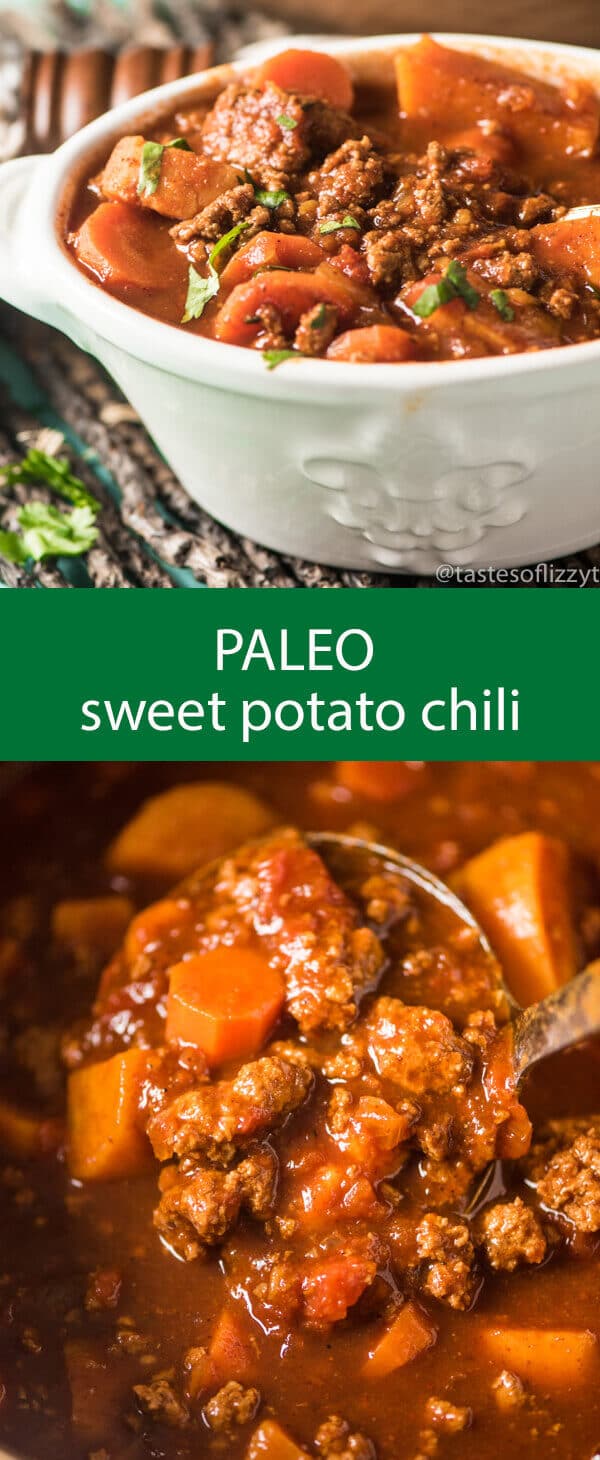
    Another good option is this Paleo Sweet Potato Chili.  I am a huge fan of soups, stews, and chilies this time of year, and this has the added benefit of leftovers, which are great to just heat up when you need something quick!


    Saturday, October 4, 2014

    CSA Newsletter for October 4, 2014

    Farm Update
    The pigs are eating like crazy these days, and they are really
    loving all the farm scraps!
    Hello everyone!  As we get farther into fall, our warm season crops like tomatoes and snap beans are becoming less abundant, and they are slowly being replaced by cool weather veggies like spinach and Brussels sprouts.  The pigs are really tearing up their pasture with all their rooting; this is the time of year when they eat like crazy, so they are always looking for food wherever they can get it, including under several inches of mud in their pasture.  We have been having a lot easier time with insect pests than we usually do this time of year.  The aphids in particular usually make a real mess of the Brussels sprouts, but this year the rain and a combination of organic sprays (diatomaceous earth and chrysanthemum extract) have really helped keep them under control.  The weather has also been cooperating quite nicely; so far we've only had a really slight frost, which has meant that our summer crops have held on longer than they often would.  We're hoping that the frost continues to hold off, but this time of year, you never know.  At this point, the availability of certain items becomes less predictable, as a frost could damage a crop that we had predicted would be in the shares, and we would have to replace it with something else.  The farming season naturally starts winding down now for a reason, as conditions gradually get less and less hospitable for plants and people alike.  But this is also the time to keep going and finish strong, because there will be plenty of time for rest when everything is covered with snow.

    What to Expect in This Week's Share

    Spinach is back!  Woohoo!
    • Choice of spinach and Brussels sprouts
    • Choice of large leaf salad mix, regular salad mix, and broccoli leaves
    • Choice of sweet potatoes and cherry tomatoes
    • Choice of snap beans and broccoli
    • Choice of carrots and beets
    • Choice of kale, fennel, and cabbage
    • Choice of slicing tomato or baby head lettuce


    It's All About the Soil


    Fred harvests tiny purple carrots
    for a tricolor baby carrot mix.
    At the farm, our soil is central to all that we do with our crops and our animals. Although the soil doesn't look like much and it's not very romantic, it is necessary for the existence of life on Earth and possibly the most important factor in how we manage the farm. Our farm’s theory is that it is important to build the soil up using practices that encourage strong, vibrant biological life and a chemically balanced soil that can adequately feed and sustain our crops. The more conventional agricultural theory over the last half century has been to focus on just the chemical needs of the crops. However, this one-track thinking ends up turning into a cycle where biological life in the soil is not in balance because of chemical inputs. Then more chemical inputs are needed to control the weeds, diseases, and insects that are attracted to a soil and crop that are not balanced biologically. In the end you end up with a lot of chemicals in the environment and in your food, and a soil that can't produce anything without ever more chemical inputs.  What we do is focus on the basics of good biological farming, which looks at soil inputs not just for their chemical properties, but from a more holistic approach. We look at how every task and input in the field works together to encourage or discourage building a healthy soil.
    Doesn't this red head lettuce look gorgeous?

    So what do we do in the field to encourage this biological life? For starters we use only naturally occurring fertilizers like chicken manure, compost, fish emulsion, and a variety of mined minerals that are still in their natural non-synthetic form. We use these natural products because all of the bugs, bacteria, and other critters in the soil are used to dealing with these substances in the natural world.

    These broccoli leaves will be in the
    shares this week, and they can be
    used in the same way as any other
    cooking green.
    At the start of the season we do a soil test and take it to Morgan’s Composting, which specializes in organic soil fertility. There, we put together a mix that addresses the specific needs of our soil. We spread it on at the beginning of the season and then supplement with chicken manure pellets and fish emulsion as needed. Some heavy feeders like sweet corn and potatoes get more chicken pellets applied to them because they naturally take more nutrients from the soil, and crops like leaf lettuce may not get any supplementary feeding at all. Also important is how we physically treat the soil. We minimize the amount of heavy machinery going over the soil by using small equipment, and even things like cultivators are pushed by hand. Heavy machinery often drives out the air from the soil, causing the biological life to be starved for oxygen. We do not work the soil when it is too wet, as it will clump together causing areas that are oxygen starved, and then also large areas with too much oxygen. We also use cover crops that help hold the soil in place, capturing nutrients during non-production times of the season such as the winter, very early spring, and very late fall. Cover crops help keep the soil from washing away during the snow melt and heavy rains that are common in the colder months of the year.

    In the end, we believe that a chemically balanced and biologically healthy soil yields the most nutritious and delicious crops. Though some of these practices we use are more labor intensive and more costly, we feel that it has paid off over the last few years as people have been able to taste and see the high quality produce that these efforts have yielded.


    Recipes

    Spinach and sweet potatoes are back!  In honor of some of my favorite fall foods, here are some simple and delicious recipes for each of them!


    Garlic Sauteed Spinach:  Check out this mega easy side dish recipe from Ina Garten that really lets spinach be the star!  This is perfect for chilly evenings, which will probably be in plentiful supply in the near future.

    Oven-Roasted Sweet Potatoes: Check out this entire gallery of 25 Healthy Sweet Potato Recipes, but the Oven-Roasted Sweet Potatoes looked particularly awesome!

    Saturday, September 27, 2014

    CSA Newsletter for September 27, 2012

    Farm Update
    Fred found a bunch of snakes living under the black plastic
    that covered the rows of sweet potatoes.
    Hello everyone!  It has been a gorgeous week, which has really helped the plants put on some new growth quickly.  We got all of our sweet potatoes harvested this week, and they are curing right now in the greenhouse in preparation for being in the shares.  After they are cured, they will be ready for winter storage; otherwise, their shelf life is a lot shorter.  We had a big harvest week in general last week, but the guys also planted some lettuce in the coldframes for the late fall harvest, and also worked on the new greenhouse we're constructing.  The tomatoes are starting to be on the decline, but we've still got plenty of them!  Fred also found a bunch of snakes living under the black plastic under which the sweet potatoes were growing!  We are so glad the weather is nice again, because that will mean we have a larger variety of items for the CSA for much longer into the season!

    What to Expect in This Week's Share

    Our beautiful and delicious cherry tomatoes will be in the
    shares again this week!
    • Brussels sprouts or broccoli
    • Carrots or cabbage
    • Tomatoes or cherry tomatoes
    • Kale or cooking greens
    • Large leaf salad mix or regular salad mix
    • Beans, beets, or bok choy
    • Baby fennel, slicing tomatoes, or baby head lettuce


    Veggie Spotlight:  Brussels Sprouts

    This is the time of year that we usually associate with Brussels sprouts, when the sprouts have gotten to the proper size and the cool mornings of the early fall have given them a pleasant, rich flavor. Though they are time consuming for us to harvest, it is one of those seasonal crops that we really look forward to enjoying at home.

    The exact history of the Brussels sprout is difficult to trace, but specific references start appearing in 16th century writings. The Brussels sprout was bred from cabbage type plants at some point, and they were first known, not surprisingly, to be found near Brussels, Belgium.  Thomas Jefferson brought some of the first Brussels sprouts to North America, but they did not become very prevalent in the American diet until the 1900s.  When commercial scale freezing technology became widely available Brussels sprout production skyrocketed in the U.S.  By the 1960s they were very widely known to most American homes, and they were infamous (definitely in a bad way) at the table to many young children.  This is because of Americans’ tendency to overcook just about everything during this time period; Brussels sprouts are a food particularly unforgiving to overcooking as they begin to release a pungent sulfur taste and smell if they are cooked too long.  In the 1990s, the Brussels sprouts got a rebirth in popularity as big name chefs started expanding the public’s awareness of methods for their preparation, and many people learned for the first time that Brussels sprouts are not, in fact, horrible.

    Brussels sprout are exceedingly healthful and have a very high potency against cancer-causing compounds in the body. They are also found to significantly lower cholesterol and provide high amounts of vitamin K along with many other nutrients.  In fact, their health benefits often exceed those of other superfoods like kale and broccoli.

    Brussels Sprouts actually grow tightly up the stalk of the plant.
    Our Brussels sprouts on the farm require the longest growing time of any plant we grow.  They are started as seeds in the greenhouse in mid to late March, then after several weeks they are planted into raised beds with plastic mulch.  They are heavy feeders (which means that they draw more of the soil’s nutrients than many other plants) so we give them extra chicken manure pellet fertilizer and plant them in soil that is high in organic matter.  Then they are very easy to take care of until late summer, usually only requiring a bit of watering until then.  In late summer the aphids start to come to the Brussels sprouts, which we then spray with a combination of diatomaceous earth and Pyganic (a product name for a Chrysanthemum extract) to keep the populations down.  However, this only beats them back but does not completely get rid of them.  Around the first week of September we snap off the top growing point on the plant to encourage the Brussels sprouts to fill out.  This happens as the plant hormones signal the growing buds that they need to grow out rather than up, since there is no growing point to continue producing more foliage on the top of the plant. This season was abnormally cool, so we were able to start harvesting the sprouts earlier, but in a typical year we start harvest around the 1st of October.  Usually it takes until October for the Brussels sprouts to lose their bitterness that is caused by hot weather.  Then we strip the developed Brussels sprouts off the stalk and trim the aphid damaged outside leaves, leaving you with Brussels sprouts that are ready to cook.  We typically stop harvesting them in early to mid-December. 

    There are many really simple and delicious ways to
    prepare Brussels sprouts!  These are one vegetable
    that don't require any complicated recipes to be wonderful.
    At home our default way to cook them is with bacon or ham fat, though we also like frying them in butter and garlic.  The key to bringing out their great flavor is to cook them until thoroughly cooked but not mushy.  Other methods of preparing them are to use them raw in a salad where they are more finely chopped and paired with a heavy dressing and/or other strongly flavored ingredients like raw fennel.  There are also the French cream sauce/Brussels sprouts combinations popularized by Julia Child, and their use in some Asian stir fry type dishes that are also common.

    As much as I avoided Brussels sprouts of all types as a child, I am completely thrilled that they are back again for another fall, and I hope you enjoy them as much as we do!

    Recipes

    Check out this extremely simple but delicious way to cook Brussels sprouts.  These Truly Delicious Brussels Sprouts are pretty similar to how we often prepare them at home.

    This recipe for Pan Roasted Brussels Sprouts with Bacon is another common way we prepare them at home, especially as a side dish with breakfast.  Give it a try if you're looking to awesome up your morning a little!