Sunday, June 19, 2016

Veggie Spotlight: Microgreens

Farm Update

Our first Midland CSA drop-off of
the year!
Hi everyone!  It's been a busy week at the farm.  We've officially started the CSA for the season, and it was so great to see everyone!  We've been doing a ton of planting, weeding, and harvesting, and we also finally got our new driveway put in.  This will make it a lot easier to get around all of the time, but especially in wet and muddy weather, when our driveway was previously pretty much impassible.  It's been pretty dry, which has encouraged a lot of insects to come out.  Basically, they're looking for food, and our irrigated crops look a lot more attractive to them than all of the dry plants in the surrounding environment.  We've been having more deer trouble, but Fred has been going out in the middle of the night to try to interrupt their patterns of movement.  He actually camped out in the field a couple times last week, and it seems to have helped a little.  We're definitely going to have to find a more permanent solution though.  But as for the animals we like, the pigs are growing so quickly!  They've been sleeping in the shade a lot because of the hot weather.  The heat has also been good for our tomatoes, sweet corn, and zucchini, which are getting noticeably bigger every day.  This is the most intense part of the year for us, and this year is no different, but we wouldn't have it any other way.

What to Expect in Your Share this Week

Here are the options in each veggie station this week!  If you have a half share, you'll choose one from each category, and if you have a full share, you'll choose two.

  • Romaine or spring mix
  • Zucchini for everyone!
  • Green onions for everyone!
  • Strawberries for everyone!
  • Kale, Swiss chard, or bok choi
  • Basil or microgreens
  • Surprise veggie

If you have your share delivered to your home or workplace, or if you pick up at our East Lansing drop-off, here are your options for this week.  If you have a half share, choose one, and if you have a full share, choose two.

Share A:                                      Share B:
Romaine                                     Spring mix
Zucchini                                     Zucchini
Strawberries                               Strawberries
Kale                                            Bok choi
Basil                                           Microgreens
Surprise veggie                          Surprise veggie
Green onions                              Green onions

If you have a preference for share A or share B, just let me know by noonish the day before your delivery day, and I'll make sure you get your preferred share.  If you don't have a preference, I'll just choose for you. :-)

Veggie Spotlight: Microgreens

Microgreens, packaged and ready to go to our local restaurants.
Whenever we bring something new and unusual to the CSA, we get a lot of questions.  “What is this?”  “How do I use it?”  One of the new and different things you’ll be seeing at the drop-off this week are our microgreens.  While we grow these primarily for our local restaurants, we use a lot of them at home, and now you can too.  Even though they look fancy, these microgreens are basically the very small plant (often from the same seed we plant in the field) of things like basil, cilantro, arugula, radish, and many others that harvested when extremely small.  To grow them at the farm, we  first fill greenhouse trays with a premixed organic soil from Morgan’s Composting that has the perfect nutrient mix to grow a healthy plant. Then Daniel, who has worked for us for a several years, will sprinkle the seed over the tray at a predetermined rate by hand.  After this he covers the seeded flat with vermiculite and waters the flat in the greenhouse to induce germination of the seed. Then after germination, the densely seeded flat forms almost a carpet of small 1-2 inch tall plants that are then cut by hand in large clumps with a knife.  These cut greens are then washed and spun in a hand spinner, and then packaged.  This entire process, from seeding to harvest, takes as little as 6 days or as long as 3 weeks, depending on the type of microgreen being grown for this time of year.  This week we will mostly have micro radish and micro arugula, along with maybe a little bit of a couple others.  They are best used quickly, as their storage life is not as long as larger leaves.  Restaurants and enthusiastic home cooks often use them to decorate the top of a dish.  In the case of the radish, it can also easily give something just a little more spice, and the arugula can provide some of that distinct arugula flavor. These micro greens are great used in sandwiches and other foods, and offer a gorgeous color contrast against the dish.  We’ve heard many health claims about mow microgreens are healthier than other greens, but we take these claims with a grain of salt, as most of this information comes from those who are either marketing microgreens or selling supplies.  Whatever the truth is about the health claims, there is no question that they are a beautiful and easy way to add some greens to a dish, and a great way to add a little flavor and more visual appeal to whatever you are putting on the table.  Enjoy!

Recipes


It's probably a safe assumption that you don't use microgreens every day, so here are some recipe ideas!  Some of them call for ingredients that are not available locally this time of year so you can't follow all of them exactly, but they are absolutely great as a springboard for customizing your own microgreen meals.  Check them out here!

Saturday, June 11, 2016

Spring Veggies: What They Are and Why They Thrive Right Now

Farm Update

Our piggies have arrived!  Here, they
 are just chilling in their shelter.
Hello everyone!  I hope you are all as excited as I am about the CSA starting this week!  It has been a hot and dry last few days, and the plants are really feeling it.  Fred has been irrigating like crazy, but the plants really just need a good rain to come out of survival mode and start growing again.  Looking around the farm, some of the crops are actually ahead of schedule.  The garlic, potatoes, and sweet corn will likely be earlier than usual, and we've actually been getting zucchini out of the heated greenhouse for the last several weeks despite the fact that it's usually a high summer crop.  If you get radishes at the drop-off this week, they'll probably be a little spicier than usual, because there's something about dry weather that causes them to be more intensely spicy.  In other news, our piggies have arrived!  We have eight little ones who are a mix of two heritage breeds, Hereford and Gloucester Old Spot, and they are super cute!  They serve multiple purposes around the farm.  Their presence makes the deer a little nervous, so they are a natural pest deterrent.  They help our farm stay tidier by eating all of the veggie scraps.  And of course, come fall they'll be delicious bacon and pork chops.  Pigs are certainly a multi-functional animal if ever there was one, and we love having them around!  On another note, I've heard from a few people that they are going to miss the first drop-off because they're out of town, so if that also applies to you, please just let me know by the day before your drop-off!  That way I can postpone your share and get you a double share when you get back.  See you all soon!

What to Expect in Your Share this Week

Here are the options in each veggie station this week!  If you have a half share, you'll choose one from each category, and if you have a full share, you'll choose two.

  • Radishes or spinach
  • Strawberries
  • Spring mix or romaine
  • Kale
  • Green onions
  • Garlic, dill, or cilantro
  • Bok choi or cooking greens mix

If you have your share delivered to your home or workplace, or if you pick up at our East Lansing drop-off, here are your options for this week.  If you have a half share, choose one, and if you have a full share, choose two.

Share A:                                      Share B:
Radishes                                      Spinach
Strawberries                                Strawberries
Spring mix                                   Romaine lettuce
Kale                                             Kale
Green onions                               Green onions
Cilantro                                       Garlic
Cooking greens mix                    Bok choi

If you have a preference for share A or share B, just let me know by noonish the day before your delivery day, and I'll make sure you get your preferred share.  If you don't have a preference, I'll just choose for you. :-)

Spring Veggies:  What They Are and Why They Thrive Right Now

In my childhood and adolescence, I never actively thought about vegetables.  If you had asked me about them back then, I could have named most of the basics, and if you gave me a shopping list of produce, I could have found them all fairly admirably at the grocery store.  But it wasn’t until I was in my early twenties that I had any concept of seasonality.  It had never occurred to me before how odd it was to have cherries in January, carrots in March, asparagus in October, and bananas pretty much ever.  We are so used to all things being available at all times, so learning to enjoy fruits and vegetables in season is often an education for us in this modern age.  One of the biggest questions I get during the CSA season is “When do you expect to have blueberries/ tomatoes/ zucchini/ sweet potatoes?”  So for all of you wondering exactly what types of veggies are coming out of the fields this time of year, here is a primer on spring produce in Michigan.

Fred shows Jane and baby Timothy the nasturtiums in the
greenhouse.
Greens and other leafy things:  Kale, lettuce, spinach, Swiss chard, bok choi, and herbs such as dill and cilantro are some of the stars of the spring produce scene!  They do well this time of year because they are cold-hardy, which means they can be planted early and withstand the frost.  The cooler temperatures and prevalent rainfall we usually get in spring are just the conditions that leafy greens love.

Radishes:  Radishes thrive in the spring because they are a fast-growing crop that doesn’t take too long to mature, and they also prefer cooler temperatures.  Because they grow so quickly, they are one of the first crops ready in the spring.

Rhubarb and asparagus:  While we don’t actually grow rhubarb and asparagus at the farm, no discussion of spring veggies would be complete without them.  There are two reasons we don’t grow them.  The first is that because they are some of the earliest produce, their season is actually almost over by the time the CSA starts, which doesn’t make a ton of economic sense for us.  The other reason is that they are perennials, which means that we can’t practice crop rotation with them, and they are much more susceptible to perennial weed pressure.  Asparagus does best in the spring because it requires a lot of moisture in the soil to survive.  Rhubarb requires average temperatures of less than 75 degrees to keep growing, so once the summer heat is upon us, rhubarb shuts down until temperatures dip into the 40s again in the late fall.
The corn is already a lot taller than it usually is this time of
year.  Fred experimented with starting the seeds in the
greenhouse and then transplanting it, and it seems to have
worked pretty well!

Strawberries:  Strawberries are one of the favorites of spring!  There are actually a few types of strawberries:  June-bearing (which prefer a shorter day length and are harvested all in one fell swoop in June), and everbearing (which produce small amounts of berries throughout the summer and have no preference for day length).  Although you can have strawberries in the summer with the everbearing types, the quality of the June-bearing varieties is so much better that it makes sense to enjoy the best berries in their short spring season.

Peas/ pea shoots:  Like leafy greens, peas and pea shoots prefer cooler temperatures and wet weather.  They are very cold-hardy, which makes them ideal for early planting, but they start to wither when the temperature gets too hot.  So as the days get hot and dry, peas are no longer in their element.

Garlic scapes:  These are actually the curly upper part of the garlic plant we all know and love.  While the root hides underground becoming the garlic we’re used to, the garlic scapes are the reproductive part of the plant.  Once the weather gets too warm, the garlic scapes die off and the root becomes the main event.

Green onions:  The main difference between green onions and bulbing onions is the variety.  Green onion varieties have been bred over time to have a slender bulb and lovely green shoots, whereas traditional onions have been bred for the bulb.  The green onion shoots do well in the spring for the same reason as most of the green leafy veggies:  the cooler spring temperatures are easier on them.

So now is the time to enjoy these spring veggies while they’re at their best!  As the weeks and months move along, spinach and strawberries will make way for corn and tomatoes, and asparagus will be only a pleasant memory.  For this reason, there is a simple beauty in being fully engaged in each season as it passes, and fully enjoying the bounty in its own time.

Recipes


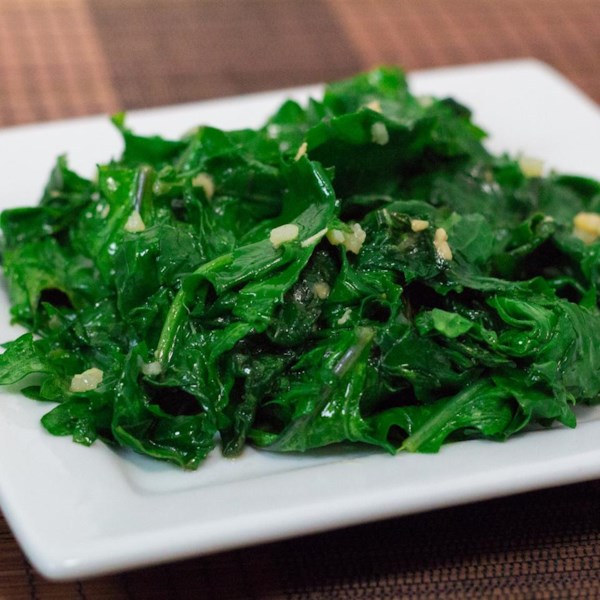
I'm assuming you probably don't need help coming up with ideas on how to eat your strawberries, so let's talk kale!  This Easy Garlic Kale Recipe is one of the simplest and most delicious ways to prepare kale; indeed, it is pretty much our go-to kale technique.  Bonus:  you can also use your garlic scapes! 

Saturday, June 4, 2016

Your First CSA Drop-Off: How it Works and What You Need to Know

Farm Update

The lettuce is looking gorgeous out
in the fields!  The deer seem to agree,
so here's hoping they move on before
they do more damage to this lovely stuff!
Hello everyone!  We have an official start date for the CSA!  We'll be kicking off the drop-offs the week of June 13th, so mark your calendars or program it into your phones!  Alma will begin Monday, June 13th from 5-6 PM, Mt. Pleasant will start Tuesday, June 14th from 5-6 PM, Midland will be Wednesday, June 15th from 5-6 PM, and East Lansing will be anytime from 4:30-9:00 on Thursday, June 16th.  On the farm front, things have really taken off!  It's been pretty hot and dry, so we've been irrigating a lot.  The blueberry bushes are looking really nice, with lots of green berries on them.  We're still having some struggles with the local deer population; last week they came through and did quite a bit of damage to a really beautiful stand of lettuce we had.  So Fred has been going out late at night (when they usually come through) for the last few days to scare them off, and hopefully they'll get wary and stay away.  Our coldframes, which used to be planted with spring veggies, are entirely planted with the tomatoes, peppers, cucumbers, and zucchini we'll have later this summer.  We also have some early zucchini and their accompanying squash blossoms coming out of the heated greenhouse already!  It's been so nice to have zucchini on the table already, and we've sold some of it to local restaurants as well.  Also, in case you're interested, we're now on Instagram!  You can follow us there to see what we're doing at the farm one photo at a time!


Your First CSA Drop-Off:
How It Works and What You Need to Know


Arugula blooms in the coldframes.
One thing I have learned in the last few years of hanging out with CSA farmers is that we all have our own ways of doing things.  Different growing methods, preferred crops to work with, management styles, and of course, different types of CSA drop-offs!  So if you’ve never been in a CSA before (or you just have never been in our CSA before), you probably have some questions about what to expect at your first drop-off.  I was going to write a whole article all about it, but I realized that the details in last year’s article on the topic are still equally relevant.  So you can read about that here.  There are a few things that will be different though, and here they are:

The East Lansing drop-off:  Instead of having a regular drop-off in East Lansing this year, where we set up the tables and you all walk down the line and choose your veggies, we’re going to be doing all prepacked shares this year.  So here’s how it will work:  The drop-off is still on Thursdays at the East Lansing Food Co-op, but instead of having to be there between 5:00 and 6:00 PM, you’ll be able to show up anytime between 4:30-ish and 9:00 (or even the next day if your schedule is crazy).  You can just go into the co-op and someone will help you get your bag of veggie goodness!  You’ll still get some choice as to what goes in your share too, because we’ll offer two prepacked options.  When I send out the newsletter each Saturday, I’ll let you know what will be in Share A and what will be in Share B for the upcoming week.  Then, you can just send me an email anytime by noon on Wednesday and let me know which one you prefer.  If I don’t hear from you, I’ll assume both options sounded equally awesome to you, and I’ll just pick one. J  If you need to postpone your share because you’ll be out of town, that will work just the same as last year:  you can just let me know by Wednesday and I’ll postpone your share that week and get you a double share the following week.

It's been really hot and dry lately, so
Fred has been spending a lot of time
watering and irrigating.
Home/ workplace delivery:  If you are signed up to have your share delivered to your home or workplace, it will be pretty much the same system as last year.  However, the details on that are not in last year’s article, so for those new to the home/workplace delivery option, here is how it works.  You also will have a choice of two prepacked shares, Share A and Share B.  I’ll let you know in the newsletter each Saturday what those options will be, and you can just email me by noon on the day before your drop-off and let me know which one you prefer.  Again, if I don’t hear from you, I’ll just choose for you.  So if you’re super busy and forget to let me know, don’t worry, we won’t skip your share or anything.  We’ll come by sometime in the mid-afternoon on your drop-off day and leave your share near your front door, so if that happens to be a sunny spot, it’s a good idea to leave a cooler out where we can put your veggies so they don’t get all wilty.  If you are going to be out of town and need to postpone your share, just let me know by the day before your drop-off, and I’ll plan on skipping that week and getting you a double share when you get back.


So that’s it!  Just let me know if you have any questions about any of this, and we look forward to seeing you soon! J

Recipes


Although we have had spinach for a while now, I'm still not over being excited about it, and just about everything I cook has spinach in it somewhere!  If you're loving spinach right now too, check out this Spinach Pie recipe!  You can also add whatever other veggies you have on hand for a really flavorful and interesting meal

Monday, May 23, 2016

The Local Food Difference: 6 Great Reasons to Eat Local

Farm Update

Our new old tractor, an old-school
Farmall Cub!
 Hello everyone!  Now that the weather has started to feel a lot more like summer, things are in full swing at the farm!  Fred is in a flurry of planting right now, getting the tomatoes, peppers, and sweet potatoes into the ground.  We've got plenty of lettuce, spinach, and microgreens, and we harvested the very first zucchinis from the greenhouse this morning!  The weeds are really starting to take off, but so far they've been easier to manage than last year because it's been drier out.  We had some pretty severe deer damage about a month ago, but Fred has been diligently scaring them out of the field each evening, and the large group that ate down so much of our kale has moved on.  The strawberries and blueberries are in bloom, and it looks like they'll be pretty abundant.  Indeed, just about everything has been growing a lot more quickly over the last few days!  We also got a new (old) cultivating tractor at the farm, an old Farmall Cub.  We had the cultivator modified to fit our row spacing, and it does a phenomenal job!  A huge shout out to Jeff Welch at Mr. Mower in Mt. Pleasant for making that for us!  Another fun new thing at the farm is a few new lettuce varieties in our spring mix.  We had a salad last night made with some of the new lettuces, and they are both lovely and yummy!  I'm really excited to bring them to the CSA drop-offs next month!  Speaking of the drop-offs, we're planning on starting in mid-June.  We don't have an exact start date yet, but it will either be the second or third week of June.  We'll let everyone know for sure as soon as we know.  I'm so looking forward to seeing you all again this summer!


The Local Food Difference:  
6 Great Reasons to Eat Local


Lovely rows of lettuce just waiting
to be harvested and eaten!
Five years ago when we were first starting the farm, learning how to run a business, and trying to balance work and family (Okay, so not much has changed, now that I think about it), we were stepping out into a subtly different food landscape than we’re in now.  Back then, we had to explain to virtually everyone we met what a CSA is, what organic actually means, and why locally grown food is fresher and better for you than food shipped in from far away.  Indeed, most people hadn’t really though much about the fact that on average, their food was being shipped about 1,500 miles before they picked it up and put it in their shopping cart.  Now, most people already have some background knowledge about these things.  The organic and local food movements have made CSAs a household word.  I love that Better Homes and Gardens can casually mention that a recipe is a great way to use produce from the reader’s CSA basket, and run on the assumption that the reader knows what they’re talking about.  I love that we’re seeing more stores and restaurants with signs and menu notes telling customers what farm the beef, or the salad greens, or the apples in the pie came from.  I love that organic food is more widely available to everyone, whether you have a CSA in your area or not, for prices that are more affordable to the average family.  Yes, there has been a cultural shift toward being more generally conscious about where food comes from and how it was grown, and that is a great thing.  It’s what CSA farmers for decades have wanted to see happen.

But in some ways, being the change we wished to see in the world has made things a little harder for your average CSA.   For the longest time, if you wanted to get organic or local food, you pretty much had to be in a CSA or grow it yourself.  You had to commit to picking up your food at a particular place and time each week (or commit to several hours a week of planting, weeding, and harvesting in the garden), but it was worth it to know exactly what you were feeding your family and how it was affecting the environment.  Now that organic food is more readily available and more affordable in your average grocery store, that’s no longer the case.  You can swing by the store on the way home from work and get your organic produce along with your shampoo, butter, and your daughter’s birthday present.  This is a great thing for consumers because it makes eating organic more accessible than ever.  But I still believe that being part of a CSA is absolutely worth it, and not just because this is our livelihood.

It’s been a few years since I’ve really thought to lay out why getting your veggies through a CSA or farmers market is better than getting them from the grocery store, because I’m so entrenched in this lifestyle that I forget that it’s not, in fact, self-explanatory.  So let’s take a few minutes to talk about all the reasons why getting your food from a local farm is worth it, even if you have to go out of your way a little bit.

The strawberry plants are full of blooms, so we're hopeful
for an abundant strawberry harvest!
Local produce is fresher and tastier:  If you’ve ever eaten a tomato straight from the vine or a just-picked strawberry, you already know that they bear almost no resemblance to tomatoes or strawberries in the grocery store, no matter how they were produced.  The freshness, flavor, and texture of fruits and vegetables that were recently harvested are way better than that of produce that’s been out of the field for longer.  When you pick up produce that’s been shipped from far away, it’s usually been harvested a week before it makes it into your shopping cart, which means it’s been steadily degrading since the moment it was taken from the field.  That’s also the reason why local produce will last longer once you get it home.  When you get your produce from a CSA or farmers market, it’s usually been harvested earlier that day or the day before.  Another reason local produce tastes better is that farmers who don’t have to ship their produce long distances can choose their varieties based on superior flavor, texture, and prettiness, rather than how it will hold up in a shipping container for several days.  Also, when you grow veggies on a small scale, you’re usually harvesting by hand, so you don’t have to choose varieties that can stand up to large mechanical harvesters.  Usually varieties that ship well and can be harvested mechanically without breaking aren’t as delicious.

Local produce benefits your local economy:  When you get your food from a CSA or farmers market, your food dollar stays in the community.  Instead of it being sent to some corporate headquarters somewhere, it is likely to go to the local barber, or butcher, or piano teacher.  Sometimes it’s a symbiotic relationship too.  Case in point:  Our tax preparation guy, our propane guy, and the guy who makes the labels for our retail containers are all CSA members, so we all support each other, and the original food dollars keep circulating around the community.

Local produce is better for the environment:  Nothing beats local organic food for reducing negative environmental effects.  If it’s organic, then no synthetic chemicals have been added to the ground or surrounding water sources, which is better for people, animals, and microorganisms.  If it’s local, then it has taken a lot less fuel to get it to you than produce that’s been shipped across the country.  Local farmers also usually produce on a much smaller scale, which means they don’t have as much gas-guzzling equipment as larger producers.

Local produce is usually more cost-effective:  When a grocery store stocks produce from across the country or even a few countries away, not only do they have to buy the product, they also have to pay for the shipping, and they also have to make a profit.  This means that they have to charge more for it in order to make money.  When you get your food directly from a local farmer, you can get superior produce for less money because there aren’t the same shipping costs and middle men involved.
Local produce connects you to your community:  If you’ve ever been to one of our CSA drop-offs, or if you frequent farmers markets, you know they are a social affair.  I love listening to the conversations CSA members have with each other while I’m setting up the drop-offs.  I hear about great recipe ideas, restaurants to check out, how people’s kids and grandkids are doing, and opinions on current events and politics.  In our fast-paced, convenience-driven, often digital lifestyles, sometimes it’s just nice to establish a meaningful connection with a fellow human being in real life.

Local produce keeps the agrarian tradition alive:  This is often on my mind in November as we wrap up another farm season, but it is equally true for the rest of the year.  There is such a tradition of small farms and small farm families here in the Midwest, but most of that has disappeared over the last fifty years or so.  I am so grateful to be living in much the same way as my farming ancestors (except that we have the internet and cell phones, so it’s the best of both worlds!)  There is a reason why rustic chic is a decorating trend right now, and it’s because there is something in all of us that wants to be connected to something humble and honest and unpretentious.  Small-scale local farming is exactly that, and it’s a tradition that is absolutely worth keeping alive.

So next time you’re making a decision about where to procure your food, take these factors into consideration.  I’m not saying to never buy non-local food, because let’s face it, it’s really hard to be a purist in this area.  But there is so much benefit to the farmer, the consumer, the environment, and the community, and so much good that comes from supporting local farms.

Recipes

We're finally into local produce season here in Michigan!  While most CSAs haven't started yet for the year, a lot of farmers markets are kicking off, and you can also find local produce in co-ops across the state.  Right now, asparagus and rhubarb are in full swing, and many farms also have lots of greens, herbs, and green onions.  While we don't grow our own rhubarb, Fred's mom always gives us a bunch, so I have been cooking and baking with it like it's going out of season... rhubarb tarts, rhubarb muffins, rhubarb oatmeal.  So if you want a lovely and easy way to use the bounty of rhubarb available right now from your garden, co-op, or farmers market, try out these delicious rhubarb muffins!

Wednesday, April 20, 2016

How to Have Fun Eating More Vegetables


Farm Update

For the last month or so, we've had our transplants growing
in flats in the greenhouse (above), but we've recently
planted about half of them in the field and coldframes!
 Hello everyone!  With the weather warming up, it's been a hard-hitting week at the farm.  Fred has been doing lots of planting, and he has transplanted about half of the plants we started in the green house over the last few days.  The farm has gone from being covered in snow last week to being pretty dry this week, so we've already started irrigating the crops.  We're starting to see the veggies that we seeded in the first planting a few weeks ago poke out of the ground, and we have plenty of the overwintered spinach coming out of the coldframes, so it is so nice to have our own fresh veggies again!  Even the wildlife is returning to the farm, and Fred and the crew have been seeing the first of the snakes and frogs that will be their field companions throughout the season.  Speaking of the crew, we have hired Phal, our assistant farm manager, to be Fred's right hand man this year.  He will learn how to do all the things that Fred does, so that we can have someone running things effectively while we are on the road for the CSA drop-offs and deliveries.  The season has started in earnest, so if you haven't signed up yet, now is the time!  If you are interested in signing up, just send me an email and I'll put you on the list!


How to Have Fun Eating More Vegetables

The coldframes are planted and
producing veggies!  These Easter
Egg radishes will soon be ready!
Last month when I put out the call for input from all you folks, you responded with several great health questions for future newsletters!  The first topic in my series on how to make healthy living fun is very near and dear to my heart:  How to incorporate more veggies into your meals in a fun way!

It is a truth universally acknowledged that small children don’t like vegetables.  I know I didn’t like them when I was a kid, and it’s through a strange twist of fate that I now earn my livelihood from them.  Now that I am an adult and I pretty much love all vegetables, I realize that what I didn’t love was the sad grayish veggies from cans that sometimes accompanied the main stuff on my plate, and which went mostly ignored during meals.

If you grew up in the Midwest, chances are pretty good that dinner revolved around some large piece of meat, with maybe some sort of potatoes, and maybe some green beans or salad as an afterthought.  While this type of meal still spells comfort for many people, we could all benefit from more fruits and veggies in our lives.  The difficulty comes when you’ve been cooking in the traditional meat-and-potatoes way for decades.  Training yourself to cook in a new way can be difficult, and if you add in the fact that some people associate veggies with deprivation, changing your food habits might sound like an uphill climb you’d rather just opt out of altogether.  But never fear!  Here are some practical, easy, and flavorful ways to incorporate more vegetables into your diet, and more joy into your meals.

About 12 years ago when I was on study abroad in France, there was a big public service campaign urging people that half of the food on their plates should be fruits and vegetables, which is a great rule of thumb.  That summer was the first time I really had a sense for how that could be done deliciously.  Each meal was treated like a celebration, and the fresh fruits and vegetables I ate there were a far cry from the sad canned and frozen stuff I had grown up with.  Indeed, borrowing from other food cultures is a great way to eat more fresh veggies!  I am huge on stir-fries, which are common in Asian cuisines.  Basically, you can throw in whatever vegetables, meats, and herbs you have on hand, add a sauce if desired, and serve over rice.  Plus, eating with chopsticks makes it more fun!  Or in high summer, you can do it up Italian-style by slicing some tomatoes, sprinkling them with a little salt and olive oil, and putting fresh basil on top.

Phal transplants lettuce that was
started as seeds in the greenhouse
to the coldframe.
There are plenty of things that people often make without vegetables that gain a lot more flavor and interest from some veggies thrown in.  For instance, if you’re making spaghetti, it takes about ten extra minutes to sauté whatever greens, tomatoes, summer squash, bell peppers, onions, garlic, and herbs you have on hand, and it adds so much to a plain sauce.  Or if you’re making scrambled eggs for breakfast, you can add any of those aforementioned veggies and a sprinkling of cheese, and you have such a more festive way to start the day.  Omelets and soups are another great way to use whatever veggies you happen to have at the moment.  I made a soup the other day with leftover chicken, potatoes, spinach, shallots, and garlic because that’s what I had around, but you could just as easily add all sorts of other veggies for a richer, more flavorful soup.  There is no need to stick to a recipe exactly.  Just get a basic concept and toss in whatever else fits the flavor profile of what you’re making.

It’s no secret that the more flavorful and interesting a meal is, the more satisfaction our brains derive from it.  In fact, it takes a lot more of a boring food to satisfy us than a very flavorful food, because we’re essentially trying to derive the satisfaction from quantity rather than quality, and that can cause us to eat quite a lot more than we actually need.  So making your meals as flavorful as possible will go a long way to making the meal experience more enjoyable, as well as causing us to naturally eat a quantity of food that is more in line with what we actually need.  So how do we do this?  Well, a great place to start is with fresh, high-quality ingredients.  The better your ingredients are, the more delicious the meal will be.  It’s really easy to make something great out of stellar ingredients, even without a lot of time or fancy preparation techniques, and it’s pretty difficult to make a lackluster dish out of really flavorful ingredients.  (Which brings me to another point:  please, please, please don’t boil your vegetables!  Unless you’re making soup or mashed potatoes, there is no quicker way to kill great flavor and texture than boiling veggies.  So don’t do it.)  Another great way to add flavor is with herbs and spices.  I’m relatively new to this myself, and I have been guilty of many a lackluster meal because I just didn’t think about adding some spices.  But simply by tasting what I’m cooking and adding a little oregano or cumin or cinnamon or cayenne pepper, suddenly my meals are a whole lot better than they used to be.

Phal plants potatoes in the
field on our transplanter, which is
pulled at a slow speed by the tractor.
The machine pokes holes in the black
plastic and waters each hole, and Phal
places the potatoes.
Another way to make meals more fun and more satisfying is not actually related to the food at all.  It’s something we don’t often think about, but the atmosphere has a large effect on our enjoyment of a meal.  Fred and I love to eat out, and it’s not just because the places we like to go make great food.  A lot of it is about the atmosphere of the restaurant, whether it’s a quirky hole-in-the-wall or a candles-and-white-linen kind of place.  The same food eaten in a great atmosphere feels more celebratory, so a really easy way to make eating at home more of a joy is by creating a pleasing atmosphere.  Wipe the lunch crumbs off your tablecloth, light some candles, and break out the good dishes.  Somehow this simple act elevates the whole meal to an experience to savor, no matter what you’re eating.


So here are some simple ways not only to incorporate more fruits and vegetables into your meals, but to make meals in general more of a joy.  Eating right is an elemental part of a healthy lifestyle, and if the point is to make healthy living more fun, then certainly making healthy meals more delicious and more joyful is a huge step in the right direction.  This can go a long way to making us not only healthier, but happier as well.


Monday, March 14, 2016

How to Make Healthy Living Fun

Farm Update


Fred has been seeding microgreens in the greenhouse lately,
and these ones are almost ready to harvest!
We're officially off to the races!  With the recent warm-up, Fred has been getting microgreens and transplants seeded in the greenhouse, repairing our two coldframes whose plastic blew off in the big windstorm last month, meeting with and hiring our summer crew, and generally getting things up and running for our summer season.  He's also continuing to teach a course at Delta College about getting started in small farming, and he's even made the first few deliveries of overwintered spinach to the GreenTree Co-Op in Mt. Pleasant and the East Lansing Food Co-Op.  This is the time of year when his focus increasingly shifts to the farm, but he still has one foot at home, where he continues to cook awesome food and be a great daddy to our three little kids.  In a month or two, his life will revolve around the farm, and mine will too by extension.  Right now, my base is still at home, but I spend a fair amount of time each week signing people up for the CSA, figuring out how to spread the word about our awesome veggies, and transitioning from my previous record-keeping and payroll system (mostly a series of Excel documents) to an actual program that does most of the thinking for me.  Once we get into the season, the payoff of time savings with the new system will be great, but for right now, it's a pretty time-consuming process getting it all set up.  Now that the weather is warming up, our lives are picking up the pace as well, and we are settling into our springtime rhythm.

How to Make Healthy Living Fun

The overwintered spinach is
looking and tasting awesome!
We've been eating quite a lot
of it at home lately.
A few years back, Fred and I were referred to in a newspaper article as one of the power couples of organic farming, which I find totally hilarious but very flattering.  When I think of the fairer half of a power couple, I imagine  someone in a boardroom wearing a stylishly tailored suit, not someone sitting on the couch with a baby on her lap and a preschooler kicking her feet, which is what I'm doing right now.  But as one half of the Monroe Family Organics power couple, part of my job is to "market" the CSA, a task I feel supremely unqualified for.  This is partly because I have no marketing training, and partly because I think of traditional marketing as mostly consisting of convincing people they need something they really don't, which I never want to do.  So I decided I needed to learn more about what I'm supposed to be doing, which brought me to the archives of the entirety of human knowledge (also known as the internet), which recommended a book about social media marketing called Built-In Social.  (If you happen to find yourself where I am, trying to promote a small business without any actual knowledge of how to do so, I highly recommend this book.)  I will be eternally grateful to the author for reframing my entire understanding of what marketing should be.  His premise is that instead of trying to get people to buy a product, we should actually be applying our expertise in our field toward helping people solve a perennial problem in their lives.  For most of the people I know, that would be the problem of how to make healthy living fun.  Well... gosh.  I can do that.

Everyone wants to be healthy.  Some have a harder climb than others toward reaching that goal, and some are willing to put in more effort than others to get there, but I've never met someone who has said they don't care about their health.  What a lot of people don't realize is that living a healthy lifestyle doesn't have to be boring, or hard, or stressful, or otherwise unpleasant.  So that is my goal with the upcoming installments of the CSA newsletter:  to outline ways to make healthy living easier, and dare I say it, fun.  In order to do that though, I'm going to need some input from all of you so that I know what topics you want addressed.  I have some ideas involving healthy and delicious recipes, enjoyable physical fitness, and advice on where to start if you're a lot farther from your goal than you want to be.  But send me your questions, ideas, and topics, because I really want to help our community be healthy and have fun doing it!  You can catch me on Facebook or through email anytime, and I look forward to hearing from you!

Recipes

Now that the weather is starting to feel a little springier, my mind is turning toward asparagus, one of the first spring veggies.  If you've got an early farmers market near you, you'll probably have access in the next month or so to some excellent local asparagus.  If like most people, you are entirely reliant on the grocery store throughout the winter and early spring for your produce, never fear.  Asparagus in the stores now is coming from closer than it was a few months ago. (Although still not exactly close.  It's usually coming from the American south, but that's better than South America.)  So even though it's not exactly in season yet, it's going to be one of your best bets for produce right now, along with spinach, kale, and rhubarb, which are likely to be coming from closer to home than most other things.  So here are some asparagus recipes to give even the most lukewarm asparagus eaters a new appreciation for it!

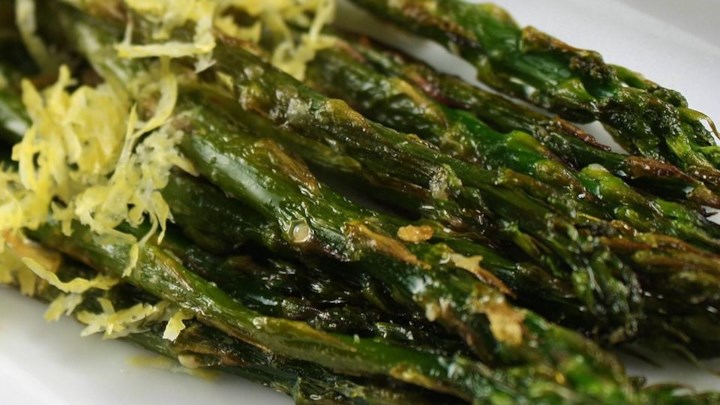
This recipe for Parmesan Asparagus is really similar to how we make it at home, except that we use olive oil instead of cooking spray, and finely chopped garlic rather than garlic salt.  Either way, it's bound to be delicious!

Or try this Grilled Asparagus with Caper Vinaigrette for a slightly fancier take on the theme.  The bright flavor of the capers is a perfect pairing with asparagus!

Saturday, February 27, 2016

CSA Newsletter for February 2016

Farm Update


The cilantro is looking gorgeous already, and it is so nice to
have green growing things again!
Hello everyone!  It has been a relatively mild winter, although the last few days haven’t seemed like it, and there are already a few things that are starting to grow again as the days get longer.  Our spinach and cilantro that we planted last fall have really started to put on some growth over the last two weeks, and they actually look and taste really nice already.  We had quite a time with the high winds last week, and they actually blew the plastic off two of our coldframes.  We will have to do a little reconstruction, mostly to reinforce the tunnels to be stronger.  Fortunately none of the steel was damaged, which is the most valuable part of the coldframes.  There was some pretty nice looking spinach in one of the coldframes, and we were worried about it being uncovered with the snows we’ve had over the last few days, but we think it should come through.  We weren’t able to get our new plastic in time to get the spinach covered before the snows came, but the snow itself often has an insulating effect, so we are hoping that that will do the trick until we can get the new plastic on. The spinach was very hardy after experiencing the winter temperatures, so we are pretty sure it will come back just fine.  There is also spinach out in the field that is surviving very well (though does not look very good right now), so we expect that this spring will be full of spinach, early on at least.  Most years our winters are a little too harsh for the outside spinach to survive.  We will be seeding in the greenhouse next week, and we’re excited to finally start using the new greenhouse for the first time!  Things are starting to move faster at the farm, and we are also starting to put together our farm crew for the season.  We are hoping the milder winter results in an earlier start to the season, but we will see what shakes out.  There are more seeds that we’ll be starting in the greenhouses than in previous years so it will be nice to be surrounded by green growing things again in such abundance!  This time of year always feels so full of promise.  None of the real struggles of the season have been realized yet, and visions of perfect plantings and gorgeous rows of veggies dance in our heads


Humans and Food: A Most Complicated Relationship

Pretty much since the very beginning, humans have had a complicated relationship with food.  We either vilify it, put it on a pedestal, give it too much or too little thought, use it to fill all sorts of needs that aren’t actually related to food, or generally underappreciate it.  And it’s no surprise.  Food is something we need every day to keep on living, as well as an experience. 

If you have young kids or grandkids, you’ve probably seen the movie Ratatouille.  For those of you who aren’t familiar with the movie, it’s about a rat named Remy who, unlike all the other rats in his family and colony, has an innate appreciation and talent for food.  While the other rats scrounge through garbage cans for sustenance, Remy seeks out quality food and combines flavors in truly enjoyable ways.  His father in particular thinks this is too fussy and a waste of time.  “Food is fuel,” he says.  “If you get picky about what you put in the tank, your engine is gonna die.”  For him, the only reason to eat is to have enough energy to keep on being alive, so one calorie is as good as another, and anything edible will do.

I’ve been on both sides of this ideological divide.  Being a human rather than a rat, my version of Remy’s dad’s food philosophy didn’t involve foraging through garbage cans.  But during my teen and college years, my relationship to food was extremely utilitarian.  The best kind of food was the kind that could be pulled from the freezer, microwaved for four minutes, and eaten standing up.  Taste was not essential, and nutrition wasn’t much of a consideration either.  Convenience trumped quality every time, so I never learned that food could be a joy.

Twelve years, three kids, and a major career shift later, I am squarely in Remy’s camp.  I would be lying if I claimed any kind of skill in the kitchen. (Alas, I have never managed to overcome my early lack of culinary education, but I do make a mean cup of coffee.)  But Fred is an amazing cook who truly enjoys experimenting with new ingredients and new flavors, and our whole household benefits from his talent.  So while I do not actually cook all that often or all that successfully, I appreciate excellent food.  I've found that eating high-quality, flavorful food is one of the easiest ways to improve your quality of life.

It’s more nuanced than a simple food-as-fuel versus food-as-pleasure, though.  There are many iterations of the food-as-fuel mentality, and they are all a little different.  I heard a friend say recently that she doesn’t want her kids to grow up with a weird relationship with food, so she doesn’t use it as a reward or make a big deal out of food occasions.  I get this.  There are many people out there who struggle with overeating or eating foods that are bad for them because of emotional factors.  But eating in a utilitarian fashion and ignoring the relationship humans have with their food altogether might end up having the same negative effect.  I happen to know that my friend does feed her kids healthy foods and doesn’t skimp on flavor, but I don’t think it’s detrimental to acknowledge that food can be an experience.  If you never learn to enjoy high-quality, nutritious food for its own sake, you run the risk of turning to what is convenient by default, and convenience foods are not usually good for you.

Alternatively, I’ve met many people for whom food decisions revolve not around flavor or enjoyment, but around calories and nutrients.  I remember a conversation I had with a woman last year about a green smoothie she had been making that contained a particular herb she couldn’t stand.  “It tastes terrible,” she said, “but it’s very nutritious.”  This might get me in trouble, but that’s no way to live either.  Science may be able to figure out what has the highest content of micronutrient X, but if you hate the flavor, you’re better off eating something that is almost as healthy that you actually like.  The point of eating nutritious food is to be healthier and therefore have a higher quality of life.  You can have more fun when you’re not sick all the time.  But if you have to eat boring, flavorless, or repellent foods to get there, that kind of defeats the purpose, and it may be worth reexamining your methods.  Good health shouldn’t be about deprivation.  There are so many foods out there that are both nutritious and delicious, so there is no reason to have to soldier through mealtime in order to be healthy.

So what is the answer?  What is the proper relationship between people and the food we eat?  I don’t know for sure, but eating delicious foods prepared with healthy ingredients in an appreciative and celebratory manner is a good start.  And if you’re not reliant on someone else to make them for you, all the better… though I’m still working on that part.

Recipes

Here in Michigan, most local produce hasn't started to hit the farmers' markets, CSA's, or grocery store shelves just yet.  But pretty soon, you'll start seeing early spring favorites like spinach, cilantro, asparagus, and rhubarb coming out of gardens everywhere.  A good spinach salad is the perfect winter-to-spring transition dish.  You can winter it up with warm dressings and bacon, or you can spring it up with strawberries.  Here are several ideas for a wonderful spinach salad in your near future.  Enjoy!