Saturday, September 12, 2015

CSA Newsletter for September 12, 2015

Farm Update

Hello everyone!  It's really starting to feel like fall.  The fields are looking emptier as we're tilling old plantings under and preparing to plant our cover crops.  We've seen more disease in the field this last week because of all the rain we've had, but it has slowed down in the last few days.  The weed pressure has also slowed down, which usually happens as temperatures get cooler.   This morning, Fred planted some more romaine lettuce in one of the coldframes after taking out all the cucumber plants that used to occupy that space.  He also recently harvested all of the winter squash from the fields, and it is currently curing in the greenhouse to increase its storage life for the winter.  Ironically enough, we're kind of glad that the cooler weather is slowing the ripening of the tomatoes down.  With as hot as it was, they were all ripening at once; now we are more likely to get a steady ripening, which means tomatoes for a longer period of time.  Fall is definitely in the air, and so begins the subtle shift that will wind down the farming season.


What to Expect in Your Share This Week

At the regular drop-offs:

  • Cherry tomatoes
  • Choice of tomatoes or kale
  • Choice of carrots or potatoes
  • Choice of lettuce or broccoli
  • Choice of beets or cabbage
  • Choice of frisee, basil, or specialty tomato
  • Choice of onion or shallot

For home/workplace delivery:

A Share:                    B Share:

Cherry tomatoes        Cherry tomatoes
Slicing tomatoes        Kale
Carrots                       Potatoes
Lettuce                       Broccoli
Cabbage                     Beets
Basil                          Specialty tomato
Onion                         Shallot


Saying Good-bye to Summer Bounties and Hello to Our Favorite Fall Fruits and Vegetables:
A Guest Blog Post by Moushumi Mukherjee


With summer coming to an end so is the harvest of many fruits and vegetables. Though almost all of this summer produce can be grown at other places, and most of them are available in our local supermarkets, they neither retain the flavor nor the nutrient density of the farm fresh produce we get at Monroe Family Organics or other local farms, so my suggestion would be to make use of the fall fruits and vegetables which can also be very delicious and nutrient dense. These are the top ten fruits and vegetables I would vote for their nutrition and taste:

Beets: Best in the fall and bursting with purple or golden hues, one can feel very confident about the nutritional quality of beets. Beets contain compounds that may enhance the blood flow to the brain and decrease the likelihood of dementia.

Sweet Potatoes: Sweet potatoes are the star of fall vegetables. Their dark orange color speaks for their high Vitamin A content and it has a wonderful combination of Vitamin C, Potassium and fiber. They can be eaten baked or grilled, and are a wonderful accompaniment to any meal.

Brussels Sprouts: Brussels sprouts and cabbage are packed with antioxidants and Vitamin C, fiber and other cancer fighting nutrients.  Roasted with a little bit of olive oil and sea salt they are delicious.

Pears: Whether you would like to eat pears by themselves or add them to a dish or salad, they are packed with soluble fiber and help to boost your healthy cholesterol levels.

Acorn Squash: Fall means various members of the quash family.  Most all squashes are rich in Fiber, Potassium and Vitamin A. Acorn squash can be eaten by itself, and as a main dish or side dish it is a fall favorite. 

Pumpkins: Another member of the squash family that is often overlooked for its nutritional value are pumpkins. Pumpkin seeds in particular are a great source of omega 3s that protect heart health. They can be toasted, mixed into salads, and can be a favorite snack adding crunch to any meal.

Carrots: I am sure most of you have tasted the wonderful carrots we have been getting from Monroe Family Organics. They are a wonderful source of beta carotenes and antioxidants and are the perfect snack, side dish, or an addition to any other dish.

Cranberries: The bright purple red color of cranberries speak of their nutritional status. They are readily available as juice or dried, and again can be added to a salad or trail mix and are very well known for their cancer fighting properties.

Moushumi Mukherjee is a registered dietitian with a masters in human nutrition from MSU. She has worked as consultant with hospitals, nursing homes, home care and hospice. She launched her own business in the last couple years and now offers classes, one on one counseling for various nutritional concerns, and writes blogs. If interested in consulting with her call at 732-762-1068 or emailat shoomita@yahoo.com.This is what Moushumi has to say about Monroe Family Organics:
I am a strong believer in food for the soul, and from the farm to the mouth is what I like to call it. In the last few years I have tried various different organic farms and often visit the farmers markets in the Lansing areas. However what makes Monroe Family Organics so special is the family feel to it. Michele works with you so closely and prices are also much more affordable compared to other organic places, leave alone supermarkets. I feel very honored to write a blog for them.

Michele's Note:  Thanks, Moushumi!  Now I am even more excited about all the wonderful fall produce that is right around the corner! :-)

Recipes

Cinnamon, Butter, and Brown Sugar Carrots:  Doesn't the title just sound like fall?  This recipe also has the benefit of being extremely fast and easy to make, so if you're like many of the CSA members I've talked to who are running around at a frantic pace getting back into the school year rhythm, this is a great way to get some delicious carrots on the table quickly!  (And a little bit of brown sugar and butter probably never hurt anyone... everything in moderation!)

Beets and Greens:  One of our favorite fall veggies is beets, and this is one of our favorite ways to prepare them.  A lot of people don't realize that not only can you use the beet greens, they are totally delicious, and I love that this recipe makes use of them! 

Saturday, September 5, 2015

CSA Newsletter for September 5, 2015

Farm Update


The CSA tables are loaded down summer
abundance just before the Alma drop-off.
 This week we have had a lot of rain, and it looks like the dreaded Late Blight has once again infected our outside tomatoes. We also talked to our former extension agent who said his tomatoes were already dying off from the disease, so those of you who have gardens may want to keep an eye out for it. However, the cherry tomatoes and other coldframe tomatoes are producing like crazy.  They came late but very prolifically! Most of the other crops are doing very well and growing fast under the warm conditions.  The Brussels sprouts once again are tasting great earlier than usual, and we had some for breakfast today.  Our sweet potatoes also seem to be doing much better after a very slow start, so we are very hopeful for this crop.  Our shallots did very well once again, and have gained some notoriety this year as a world-class chef near Detroit is using a lot of them as a main part of a dish in the grand opening of his new restaurant!  This week our lettuce is less plentiful than most weeks (so don’t be surprised if you don’t see very much at the drop-off), but we will still have some, and we hope to start building back up a little over the next couple weeks.  Hope you enjoy the nice variety of great-tasting veggies once again this week! We certainly have been enjoying them at home!


What to Expect in Your Share This Week

At the regular drop-offs:
One of the choices this week
will be our specialty tomatoes!

  • Cherry tomatoes
  • Choice of carrots or potatoes
  • Choice of tomatoes or cabbage
  • Choice of snap beans or broccoli
  • Choice of beets or kale
  • Choice of Brussels sprouts, leeks, or lettuce
  • Choice of shallots, specialty tomatoes, basil, or frisee

For home/workplace delivery:

A Share:                    B Share:

Cherry tomatoes        Cherry tomatoes
Carrots                       Potatoes
Cabbage                    Tomatoes
Snap beans                Broccoli
Beets                         Kale
Basil                          Shallot
Leek                          Lettuce


Veggie Spotlight: Tomatoes


Our tricolor cherry tomato
mix is one of our favorite
CSA items!  We eat them
like candy at home!
There are few garden plants more popular than the tomato, and it is one of the most widely eaten vegetables in the world. However, this widespread use of the tomato as a food has really become a lot more prevalent since the 19th century. Before this it was thought by Europeans to be poisonous, and it was often used for more ornamental purposes, both on the table and in the garden. (The tomato foliage does have mild toxins; however the fruit has very little, and you would have to eat a lot of tomato foliage to get ill.) The tomato’s origin is still debated in academic circles, and is thought to either have come from modern day Peru or somewhere in Mexico. However, most of its early recorded use is in Mexico, where evidence of its cultivation dates back to 500 BC. From then until the very early 1500s the tomato was only found in the Americas, but after Spain began its exploration and exploitation of the Aztecs and their land, the tomato soon made its way to Europe and quickly spread over the rest of the world. The first tomatoes that came over from Mexico to Europe were yellow, which remained the most common color of the early tomatoes in Europe. The tomato varieties that we grow today are mostly the result of a plant breeder from Ohio named Alexander Livingston, who greatly improved the flavor and eating quality of tomatoes that we enjoy today.  Before his work, tomatoes were commonly hollow with a hard core.

You’ve probably also heard the debate over whether the tomato is a fruit or vegetable. This issue has even been taken to the Supreme Court! Actually, it is both. Botanists consider it a fruit, because it forms from the ovary of a flower (it is considered a berry fruit). However, it is considered a vegetable to horticulturists, due to its annual growing culture and lower sugar content than other fruits.  The fruits vary widely in nutrient content and antioxidants, depending on variety and color. However, all tomatoes have a lot of vitamins A and C and contain the antioxidant Lycopene, which is thought to prevent cancer and heal the skin, especially from the effects of UV rays.

Yellow cherry tomatoes growing in the coldframes.
On our farm, the tomatoes start in the greenhouse as seeds planted in trays in mid-March. These seeds turn into fast-growing plants that are transplanted into our coldframes and field. The planting of the tomatoes took place in late May this year, both inside and outside. The plants that go in the coldframes are put into raised beds with plastic mulch. Stakes are put in the rows of plants every 8 feet. Then as the plants grow, lines of twine are put tightly around the rows of plants to guide their growth upward so they are not sprawled over the ground. At the end of the season most vines are 10-15 feet long. The system we use for the tomatoes improves the quality and flavor of tomatoes. This time of the year, we only water the tomatoes a little bit, so they can concentrate the flavor and sugars of the fruit for better eating and nutrient value. When tomatoes are overwatered, the taste is less intense and the nutrients are more diluted. By only giving our tomatoes a little water, we sacrifice a little on total yield, but we feel it is way worth it in flavor.  The outside tomatoes are exposed to more difficult conditions, but since we need more tomatoes than the coldframes can produce we plant a few beds each year.  Last year most tomato growers in Michigan, both farmers and home gardeners alike, got hit with a disease called Late Blight.  We had it kill all of our outside tomatoes last year, and we just noticed the start of the infection this weekend on the foliage of our field tomatoes because the conditions have been so favorable for the disease. At least this year we have already started to get a lot of tomatoes out of these plants, so we are hopeful that it won’t set us back too much.

Though the tomatoes are later than in normal years due to a cool start to summer, we now have our great tasting tomatoes back in full swing. We hope you enjoy this tomato season!


Recipes


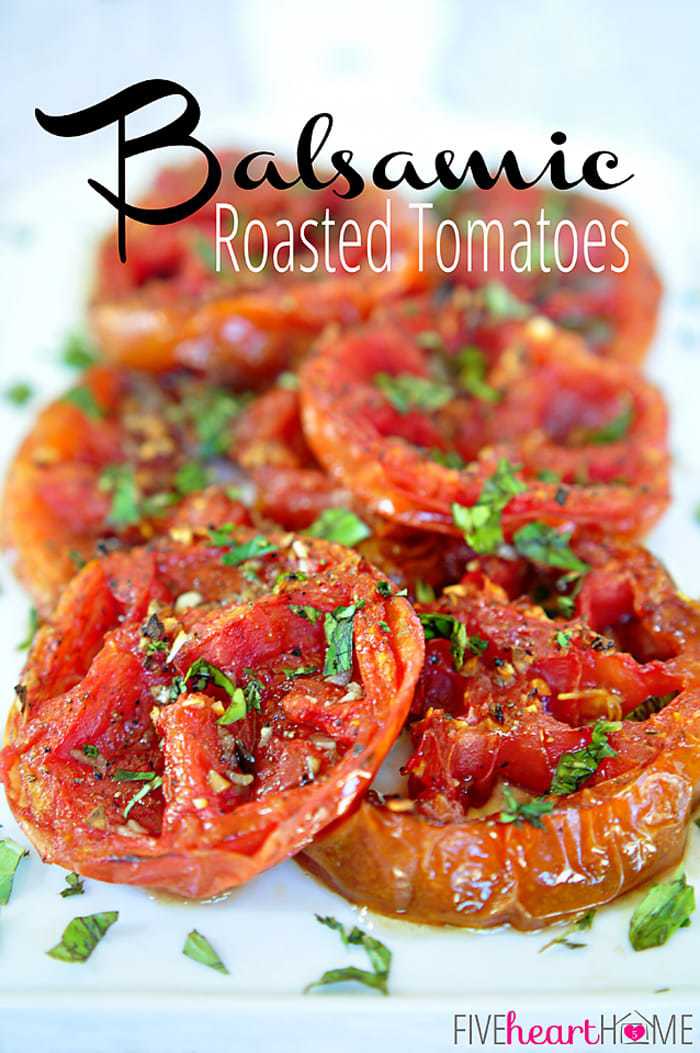
Now that you know all about tomatoes, here are some recipes to help you get the most out of all that late-summer goodness!  Check out this recipe for Balsamic Roasted Tomatoes, which is totally simple and delicious!

You also can't go wrong with this Tomato Basil Chicken!  This is another quick, simple recipe made with the freshest flavors of the season.

Saturday, August 29, 2015

CSA Newsletter for August 29, 2015

Farm Update


'Tis the season for cabbage and broccoli!
Hello everyone!  It's been a slightly slower-paced week at the farm, which is very welcome after such a hectic season!  Fred got the last of the onions and shallots out of the ground this week, and they are currently drying out in the greenhouse.  Despite the cool weather, the tomatoes are finally ripening, so we should have plenty in the upcoming weeks.  Fred is keeping a close eye on the crops right now due to the wet weather, because this is just the type of weather that allows plant diseases to flourish.  We're also continuing to get some of the last plantings of the year into the ground.  Over the last few days, we planted more lettuce, cabbage, and spinach.  Fred also plans to plant another crop of radishes and some more spinach over the coming week.  As far as the high-intensity part of the season goes, we are over the hump, and both the veggies and the workload will start to wind down gradually until things eventually shut down completely for the winter.  With that in mind (and because the rain is keeping Fred out of the fields today), we are canning a bunch of tomatoes and applesauce for the long dark days of winter, when fresh veggies in abundance will be but a sweet memory.  This time of year always finds me reflecting on the cyclical nature of summer and winter, work and rest, waxing and waning, and it keeps me connected to the centuries of farmers before us who spent the last week of August doing the exact same things we're doing now.


What to Expect in Your Share This Week

At the regular drop-offs:
  • Choice of cherry tomatoes or Brussels sprouts
  • Choice of carrots or a bag of slicing tomatoes
  • Choice of broccoli, beets, or leeks
  • Choice of of Swiss chard, basil, or lettuce
  • Potatoes
  • Choice of cabbage or kale
  • Choice of zucchini, cucumbers, or onions

For home/workplace delivery:

A Share:                    B Share:
Cherry tomatoes        Brussels sprouts
Carrots                       Bag of slicing tomatoes
Broccoli                     Beets
Swiss chard               Lettuce
Potatoes                     Potatoes
Cabbage                    Kale
Zucchini                    Cucumber


A Very Kale Dinner


Each season has its own weather patterns that make it hospitable for certain veggies over others, and this is the year for kale.  The kale is coming out of the field like gangbusters this season, and we have had it in the shares every week since the beginning of the season.  And to tell the truth, I was starting to get a little kaled out, as I am sure some of you are.  We were in a kale rut at our house, always preparing it in the same way many times a week, and I was starting not only to not appreciate its hearty, nutritious leafy greenness, but to shoot it dirty looks when I opened up the fridge to more kale again.

So I got an idea, actually inspired by my parents.  For the last 25 years or so, my parents have been part of a Gourmet Club consisting of 12 couples that meet monthly at one of their homes, and each couple is responsible for bringing part of the many-course meal.  The hosting couple picks a theme and recipes, and over the decades, they've had some pretty creative dinners.  They've had dinners where every recipe starts with the same letter of the alphabet, meals where every course features chocolate, and a Julie and Julia dinner where everything on the table came out of Julia Child's Mastering the Art of French Cooking.  And that got me thinking... why not a five-course dinner where each part of the meal features kale?  That would certainly get us out of our kale rut, and also make for a pretty fun date night in the kitchen.  So last night we dropped our kiddos off at Grandma's, got out a ridiculous amount of kale, and got to work.  We wanted to do a soup, a salad, a main course, a dessert, and a drink.  And here are the results:

The Soup:  Fred invented a Summer Tomato Kale soup for the occasion (recipe below).  It turned out great, and you could make a dozen variations of it for different effects.  You could add chunks of roasted tomatoes for more texture, or you could throw in beans and cayenne pepper and make it a chili... the possibilities are endless!

The salad:  Fred was also in charge of the salad, which was a phenomenal kale salad with apples, thick-sliced bacon, red shallots, and a maple syrup vinaigrette.  To make this salad, take some torn up kale leaves and rub them with a tiny bit of salt until they are just a little bit more tender.  Then add lightly sauteed chunks of shallot, fresh apples, and thick-sliced bacon, along with a really simple dressing made from two parts maple syrup to one part white vinegar.

The main course:  This was also amazing!  We made grilled pork chops on a bed of sauteed kale, and topped it with more shredded kale, apple slices, and a really awesome apple-blueberry sauce.  Fred cooked the sauce until the blueberries took on an almost fig-like quality, which really complemented the flavors in the pork chop.  This was over-the-top awesome, and you'll have to ask Fred how to reproduce the results, because his is a particular type of kitchen magic that I just don't possess. 

The dessert:  While Fred was in charge of the first few courses, the dessert was my domain, so I found a recipe on Pinterest for Kale and Apple Cake with Apple Icing.  It turned out to be pretty delicious, and not at all kale-y.  It had a moist and spongy texture, and only a very slightly green color from the kale.  I'd definitely make it again, and I probably will next time I see way too much kale in the fridge. :-)

The drink:  While browsing Pinterest for kale-based desserts and drinks, I came across dozens of delicious looking green smoothies that all contained kale.  But I was in the mood for something more conducive to sipping after dinner along with my Kale and Apple Cake, so I made a kale and mint green tea.  At first I was really not sure what to expect, but it was actually pretty good.  I just boiled some water and steeped two kale leaves, a handful of fresh mint, and one green tea bag for several minutes.  Then I added honey to taste, and served it along with my cake.  It had a nice earthy flavor, and the mint balanced it out really well.  If you're going to make it, I'd definitely add honey or a sweetener of some sort, because I don't think it would have been as good without it.  But all in all, it was an experiment that turned out well.

So that was our adventure in theme dinners, and it was a success!  We tried kale in several new ways (in the case of the tea and the cake, probably ways we never would have tried otherwise).  I'd highly recommend giving it a try sometime, because we actually didn't use the startling amount of kale we thought we would to put this dinner on the table.  All in all, it was probably about a bunch and a half of kale for the two of us (and we have a ton of leftovers in the fridge now), so it should be completely doable even for the average family that doesn't have kale coming out of its ears and falling out of the fridge every time you open the door.  So give it a try, or at least try one or two of the recipes, and you'll probably have a renewed appreciation for this season's star veggie!


Recipes

Fred's Summer Tomato Kale Soup

Ingredients:
8 smallish red tomatoes (or red romas)
1 shallot or half an onion
2 strips thick-cut bacon
1 CSA bag of basil
3 large kale leaves, de-stemmed
1 tbsp. red wine (optional)
1 tsp. brown sugar
1 tbsp. olive oil
salt to taste
spice to taste (we used Sriracha sauce)

1.  Take tomatoes, slice in half, and grill until thoroughly cooked.
2.  Take shallot or onion, and coarsely chop.  Chop up bacon, and cook both together in a small saucepan until rendered down.
3. Put grilled tomatoes in a blender with the basil and kale leaves, and liquify.
4.  Transfer this mixture to the saucepan with the shallots and bacon, and add salt and spice to taste.  Then add red wine, olive oil, and brown sugar, and simmer for 20 minutes.
5. Serve with a garnish of kale and sliced tomato, and enjoy!


Sunday, August 23, 2015

CSA Newsletter for August 23, 2015

Farm Update


The cherry tomatoes are ripening nicely now that it is a
little warmer.
Hello everyone!  The week started out pretty hot, which really helped spur on the ripening of the tomatoes.  We have also started to see a few tomato hornworms, which if you are unfamiliar with them, are really big and gross.  On Thursday our employee Keegan, who has been with us for three seasons now, struck out to begin an airplane repair training program.  This is his first step in his career plan to become a pilot, and we're going to miss him around the farm!  Another big thing that happened Thursday was that we successfully passed the first round of our GAP certification process.  GAP certification is a voluntary third-party food safety certification that will eventually allow us to provide our produce in schools, hospitals, and large grocery stores.  This is another step forward in growing the farm, and we hope it will allow us to provide fresh organic produce to the local community in new ways.


What to Expect in Your Share This Week

At the regular drop-offs:
  • Choice of snap beans, broccoli, or leeks
  • Choice of cherry tomatoes or apples
  • Choice of kale or Swiss chard
  • Choice of beets or cabbage
  • Choice of zucchini or basil
  • Choice of head lettuce, spring mix, or a bag of small storage onions
  • Choice of tomatoes, cucumbers, or shallots

For home/workplace delivery:

A Share:                    B Share:
Snap beans                Broccoli
Cherry tomatoes       Cherry tomatoes
Kale                          Swiss chard
Zucchini                   Basil
Lettuces                    Lettuces
Cucumber                 Slicing tomato
Beets                         Cabbage


Veggie Spotlight:  Cabbage


Savoy and green cabbages
Every year there are certain crops that do especially well, as the particular weather conditions of a given season favor certain veggies.  This year’s ridiculously productive veggie is cabbage, which has really done well under temperatures and rainfall that have been optimal for cabbage almost the entire summer.

Cabbage is recorded as being eaten since around 1000 BC, but like many vegetables, it has changed quite a bit over that time. The first cabbage plants were thought to have originated in the cooler northern parts of Europe. These first early cabbages were actually very loose and leafy, more similar to kale, and were mentioned frequently in Roman writings.  It was possibly as early as 200 BC that the heading types started to appear, but this is still unclear. 

I love the vibrant color of red cabbages!
In medieval times, the cabbage was more associated with the European peasants, for whom it was a large part of their diet. Because cabbage is generally hardier than most other crops, European peasants could count on there being cabbage to eat even when weather events caused other crops to fail.  The first recorded account of Savoy cabbage was from when Catherine di Medici married Henri II of France and brought Savoy cabbage to France with her, though it is widely thought to have been developed somewhere in Germany. In the next couple of centuries, cabbage started to become more prominent on long voyages as sauerkraut.  This was because of the ability to preserve the vitamin C in the cabbage, which would prevent scurvy.  Every year we give a bunch of cabbage to our neighbor who makes a similar traditional sauerkraut for both of our families and a few friends.

         At our farm we grow red, Savoy, Napa, and our favorite “Tendersweet” cabbage, which is green and flat.  We start the plants by seeding them in flats in the greenhouse, where they grow for four or five weeks before we transplant them into the soil.  In the spring, we mostly raise them on beds covered with black plastic, thus keeping the leaves cleaner to help ward off soil-borne diseases.  The plastic also warms the cool spring soil to get the plants growing faster.  These cabbage plants are heavy feeders and require a lot of soil fertility.  We give them slightly less fertility than recommended so we can keep the heads more of a reasonable size for the average household, but after five years of building our soils and the optimal weather we’ve had this season, they have still gotten pretty large.  The largest cabbage record in the Guinness Book of World Records is 127 pounds!  
Lifting a bunch of cabbages is one
 of the hardest parts of the harvest
process, so we often use the tractor
to help.
        Harvesting cabbage is a lot less complicated than many other crops.  We just cut the head off with a knife after the head is nice and firm, and then trim off some of the outer leaves.  The worst thing about this otherwise easy harvest is just lifting so many heavy crates of cabbage! We do use the forks on the tractor this season to help move cabbage, especially with the large size this season.
          At home our favorite cabbage dish is fried cabbage with bacon and tomato, a little cheese, onion (shallot is even better), and cayenne pepper. We sometimes also make sauerkraut by adding salt and letting the cabbage and salt ferment.  This traditional method of making sauerkraut is a much healthier way than the vinegar method most common today.   The salt preserves the vitamin C, and also leaves a beneficial salt-tolerant bacteria that is very helpful in digestion.  Kimchi is a great way to eat and preserve either Napa or the Savoy cabbage and the right recipe is very addicting. Fred’s parents also freeze a lot of the Tendersweet cabbage for the winter by just slicing it up and putting it in zippered freezer bags.  So if you get a little more cabbage than you will use in the next week, this is a good option.
          This week in the shares you folks will have the option of red, Savoy, Tendersweet, and Napa cabbage.  There are a lot of delicious things to do with cabbage, so if you need ideas, check out the recipes below!


Recipes


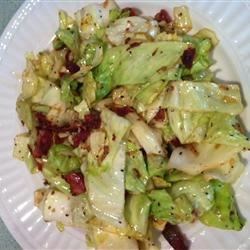
Southern Fried Cabbage:  This is pretty similar to one of our favorite ways of making cabbage at home, but I'd use olive oil instead of vegetable oil.
Healing Cabbage Soup:  As the weather gets cooler, soups are an awesome comfort food!  Check out this cabbage soup recipe, but feel free to switch out the chicken bouillon for a more natural alternative like chicken broth or stock, and adjust the amount of water accordingly.

Friday, August 14, 2015

CSA Newsletter for August 14, 2015

Farm Update


The cherry tomatoes are finally
ready!  We'll have more in the
shares this week as well.
Hello everyone!  We've been getting a lot of rain at the farm, and the fields have been very wet.  It's been hard to get the tractor into the field because of the wet conditions, but Fred was able to get in there to do some seeding this morning, as well as turn a lot of older plantings under.  Although it's been wet, the weeds aren't germinating as much, which is pretty typical for this time of year.  That makes our lives a lot easier when it comes to keeping on top of the weeds!  Fred is also surprised to see how little of an issue plant diseases have been, because they usually take off in weather like this.  But we've been really fortunate that they seem not to have gotten a foothold in any of our crops. We're also expecting to get some pretty warm temperatures this weekend, which should spur on the ripening of the tomatoes.  Most of the tomato plants are 7-8 feet tall now!  We were also able to get a large harvest of shallots and red onions out of the ground this week.  All in all, it's been a busy but good week!


What to Expect in Your Share This Week
Can you tell I'm excited about
cherry tomatoes?

At the regular drop-offs:
  • Choice of carrots or green beans
  • Choice of cabbage or kale
  • Choice of potatoes or cherry tomatoes
  • Choice of beets, broccoli, or Swiss chard
  • Choice of spring mix or head lettuce
  • Choice of zucchini or basil
  • Choice of fennel, frisee, or onions

For home/workplace delivery:

A Share:                    B Share:
Carrots                      Green beans
Cabbage                    Kale
Potatoes                    Cherry tomatoes
Beets                         Broccoli
Spring mix                Head lettuce
Zucchini                    Basil
Onion                        Onion


Back to School:  How to Keep Your Family Eating Healthy When You're Busy

Ah, mid-August.  Summer is here, and the living is easy.  For most people, this is the most relaxed time of year, with warm weather, fewer scheduled activities, a more flexible work schedule, and maybe a weekend getaway or two planned before school starts back up.  But back to school is right around the corner, and with that usually comes a busier schedule for the whole family.  How can you keep your family eating healthy when everyone is away from home for most of the day, and the evenings are filled with dance classes, sports practices, and other fun but time-consuming extracurricular activities?  Here are some tips for continuing to live healthily even when you have less time to cook and everyone is on a different schedule:

1.  Plan ahead.  This may seem obvious, but just because it’s obvious doesn’t mean we do it.  I am a prime example of this.  Here is a true confession:  Despite having a really talented cook in our household (that would be Fred… I can’t claim any credit for the awesome food on our table!) and all of the high-quality fresh produce we could ever use, we eat out three nights a week.  Because we’re on the road all week for CSA drop-offs, our routine on Tuesday, Wednesday, and Thursday evenings is to have dinner out after the drop-off, and then head back to Alma where I pick up our kiddos from Grandma’s, and Fred gets back to work at the farm until we run out of daylight.  And granted, we try to choose the healthiest options available, but it’s still kind of a shame, not to mention that it’s a less healthy and less cost-effective option.  All of this could be remedied with a little planning.  For example, I could make crock-pot meals in the morning to take with me on those three days, with veggies I cut and bagged up when I had more time on Sunday evening, and meat I actually remembered to take out of the freezer the night before.  It would take minimal effort and have a huge impact.  It just takes planning.  And while your schedule probably looks different than mine, the same principal applies.

2.  Cook once, eat twice.  When you’re cooking, make a double batch and plan on having leftovers on your busiest evenings, or take them for lunch to work or school.  If you’re making a stir fry or pasta toss, it takes just a few extra minutes to cut up twice as many veggies, and it will save you from having to go through the drive-through a few days later when you’re rushing around like a crazy person between activities.  Also, some foods freeze well, so if you don’t think you’ll get to it within a few days, you can put it in the freezer and pull it out a few weeks later, warm it up in the microwave, and presto!  Healthy fast food, without having to detour to the drive through or resort to prepackaged convenience food.

3.  Try freezer meals.  In the same cook once, eat twice vein, freezer meals allow you to prep once and eat many times.  It can be as simple as freezing leftovers from a recipe you make today, or you can set aside a few hours to shop, prep, and freeze a whole bunch of meals that you can then pull out of the freezer as needed.  Check out this awesome resource for 60 Healthy Freezer Meals that use real food ingredients, are written by real-life busy moms, and sound totally delicious!

4.  Make time for fitness.  I know, I know.  It is really hard to schedule time for physical activity when you are working full time and running kids around to activities in the evenings.  Or in my case, when you are working mostly from home and the main deterrent to getting in a workout is not the 20-30 minutes you’d have to set aside for a quick run on the treadmill, but figuring out how to then get a shower without your preschoolers destroying something while you’re in there.  We all have different obstacles to staying fit, from long exhausting work hours, to physical difficulties that just make it seem like too much effort, to a lack of local fitness options, to the aforementioned small children who need constant supervision.  But I guarantee that we can all figure out something that works with our current lifestyle and limitations.  Even if it’s parking far away from the entrance at work so that you get in a mini-walk on your way in and out, or following a yoga or Pilates video on YouTube while your kids play. (No shower required!  I know this from experience!)  Figure out something that works for you, and if time (or motivation) is a huge constraint, tell yourself you’re just going to do it for 10 minutes.  I don’t know a single person who doesn’t have 10 minutes, and that is much better than nothing.

So here is to a healthier September and beyond!  May we all be more intentional about taking charge of our health, even as our lives get more hectic.  Because in the end, staying healthy will keep us humming along and allow us to continue living life to the fullest, whatever that looks like for each of us.

Recipes

Because we've had such a cool summer in general, our leafy greens have benefited from the weather, which means lots of kale!  In case you're not as much of a kale lover, or you're just looking for something new to do with an old favorite, check out these Top 10 Ways to Prepare Kale.  From kale chips, to kale quiche, to good old sautéed kale, there is something for everyone in here.  Enjoy!

Saturday, August 8, 2015

CSA Newsletter for August 8, 2015

Farm Update


Fred and Jessamine survey some
red romaine growing in the field.
Hello everyone!  Last week’s rain helped us out a lot, and fortunately we did not get hail at the farm, even though we had it at our house.  Even with the rain, things did grow more slowly this week as the temperatures have been fairly low for this time of year.  However, it made working out in the fields much more enjoyable and pleasant. This week we are starting our large harvests on several crops including onions, shallots, and potatoes for storage.  Cherry tomatoes will finally start making an appearance in the shares, and it will be interesting to see what amount we get with these lower temperatures.  The tomato plants are loaded with green fruit right now, so we will probably hit an overwhelming harvest at some point this month when it does warm up a little more. Also there have been a ton of flowers on the tomato plants over the last two weeks, so we are hopeful for our September harvest as well.  The blueberries have wound down for the year, and Fred had to chase a flock of turkeys out of the blueberry patch last week.  There have also been a couple of nocturnal deer that have made themselves more of a nuisance lately so we are hoping we can scare them out of our field soon as well.  They seem to have a taste for the centers of romaine and frisee in particular.  Although we are into August already, the weather just doesn’t seem to have that high summer feel that makes you crave tomatoes and basil (at least that’s what it does to me!).  Hopefully that will change soon, and we’ll have at least a few weeks of real summer before it starts feeling like fall, and we all start thinking about sweaters, leaves, winter squash and root vegetables. J


What to Expect in Your Share This Week
We harvested so many cabbages for
the Wednesday drop-off last week,
Fred had to load them up on the
tractor to transport them up to the
wash station!

At the regular drop-offs:
  • Choice of spring mix or Bibb lettuce heads
  • Choice of carrots or broccoli
  • Choice of potatoes or cherry tomatoes
  • Choice of cabbage or chard
  • Choice of kale or beets
  • Choice of onions or shallots
  • Choice of zucchini or basil

For home/workplace delivery:

A Share:                    B Share:
Bibb lettuce              Spring mix
Carrots                      Broccoli
Cabbage                    Chard
Cherry tomatoes       Potatoes
Kale                          Beets
Onions                      Shallots
Basil                         Zucchini                


Veggie Spotlight:  Potatoes


Keegan picks up potatoes after the
potato digger has gone through
the planting.
Potatoes are an important crop each season for our farm, and the vast majority of the potatoes we produce go into the CSA shares.  We love the taste of our potatoes and keep a fair amount for ourselves into the winter.

The potato is not just an important food for our family, but it is the fourth largest crop in the world.  Potatoes originated near the border of modern day Bolivia and Peru, but from there most early breeding work occurred in modern day Chile, as well as separately in its place of origin.  Early breeders started developing better varieties many thousands of years ago (probably 7000-10000 years ago) and today’s varieties are mostly taken from the potatoes grown in the lowlands of Southern Chile.  The potato was one of the major food crops in much of South America for thousands of years, and it is said to have played a major role in the rise of the great Hauri civilization and the subsequent rise of the Incas shortly after the former’s collapse.  The rest of the world was introduced to the potato when Spanish explorers brought them back to Europe around 1570 AD. 

We've all heard of what a huge effect the potato had on the history of Ireland in particular.  There is some speculation as to its introduction to said locale; it is widely thought that Sir Walter Raleigh first introduced the potato to Ireland, but is also possible that the potato first washed up on Ireland’s shores from the wreckage of ships from the Spanish Armada. Its adoption to widespread production was not immediate, but it took off in a big way when a large number of Ireland’s farmers were reduced to very small acreages where only potatoes could yield enough caloric value to support a family.  In this monocrop system, farmers were usually only growing one genetic type of potato (in the Americas most farmers had at least several varieties).  For this reason, the potatoes were more susceptible to the Late Blight disease that quickly took off, wiping out the potato crop and the seed stock that farmers would need for the next year.  This led to a massive humanitarian crises of widespread starvation, evictions, mass emigration, and ultimately a drastically reduced Irish population in the years of 1845-1850AD.  As a result of this tragedy, there has been a lot more focus on greater diversity of potato genetics in subsequent breeding work.

Our good old potato digger makes the work of harvesting
large quantities of potatoes so much easier!
At our farm we buy in our seed potatoes (this year we have 5 varieties), and then we cut these seed potatoes into smaller pieces that have several “eyes” (places where the seed potato will send out its shoots and roots).  We then lay plastic mulch with drip irrigation line underneath on raised beds.  Then we use our homemade transplanter to make holes in the plastic, where we have two people on the back of the transplanter who put the seed potatoes as deep into each hole as possible.  This usually occurs in mid-April.  Then we wait as the potatoes send up their shoots and leaves a couple weeks later.  As the plants grow larger and start forming potatoes under the ground, we water them a lot because the process of developing potatoes takes an enormous amount of water from the soil.  Then the leafy part of the plants begins dying back around the end of July and are completely dead now in mid-August.  At this point, we take up the plastic and pull our old potato digger through the soil. The potato digger lifts the soil and potatoes out of the ground and then shakes the soil out through some ground driven chains leaving the potatoes on the top of the soil for us to pick up and box for storage.  This process is a lot easier than digging up all those potatoes by hand, which is what we used to do before we got our good old potato digger.


The potatoes we just recently harvested are our favorites, and they usually keep their fresh taste for about a month or two, though the potatoes themselves stay in great condition for much longer.  Our favorite way to make potatoes is too fry bite-sized chunks in olive oil until the skin is a little crisp, and then flavor them with some rosemary and garlic.  We are really excited to have our own potatoes back in our kitchen, and hope you enjoy them this week as well!

Recipes

There are so many great ways to prepare potatoes, from mashed to roasted, to sauteed, to baked, to fried.  Here are a few ideas for how to prepare one of our favorite veggies!

Roasted New Red Potatoes:  This is such a simple way to make potatoes, and it's a classic for a reason!

Mini Loaded Red Potatoes:  I'm not going to lie, these look awesome and I can't wait to make them this week!

Cookhacker's Smashed Baby Red Potatoes: Crunchy on the outside but moist and creamy inside, these smashed baby red potatoes are perfect for topping with sour cream and whatever kind of herbs you love best!