June at the Farm: A Typical Week
 |
While harvesting for the various
orders and CSA drop-offs takes the
bulk of our time, we also spend
plenty of time seeding for future
weeks of veggies with our push seeder. |
The month of June is the busiest month of our farm and our
family life every year. During the week
Fred gets up to make breakfast for the family around 5:15-5:45 using mostly our
veggies, eggs, and few other locally sourced items like bacon or bread. After breakfast Michele does as much farm
work as she can before our girls get up, answering emails, making drop-off signs,
creating harvest lists, financial record keeping, etc. At the farm Fred starts the farm crew out
harvesting different items for both our wholesale accounts and the CSA. Then as the veggies start coming up to the
wash area, Mary, Aram, and Fred start washing, drying,
packing, and doing quality control for the veggies we will distribute that
day. This is where we also bag the produce and then
put it into our refrigerated delivery truck or the cooler that is attached to our small
greenhouse.
Harvest takes up most of everyone’s time out at the field, but after harvest (most of which happens in the morning), there is still a lot of work to do. At
that point there is plenty of weeding, cultivating, planting, spraying (organic
sprays, usually made from plant extracts), and other maintenance work to be done.
Weeding especially takes a lot of time at the farm, as nature tries to
cover bare soil areas of the farm with foliage.
With warm (but not scorching) temperatures and plenty of moisture, there are ideal conditions for both crop and weed seed germination. Most weeds are taken out with tractor-driven
cultivators, but weeding inside the rows of the crops by hand is what takes most
of the time.
With these warm air temperatures and adequate moisture comes
incredibly fast growth, especially of plant foliage. Since our farm’s specialty is leafy greens,
June is a very heavy harvest month as hundreds of pounds of mostly leafy
veggies go out to the CSA, restaurants, stores, and local distributors every
day Monday-Thursday. All of our leafy
green harvesting is done by hand (usually with a knife) so our time into
harvesting is considerable, but the quality is really exceptional compared with mechanical
harvesting, which we have tried. Everything
is fast paced at the farm, occasionally bordering on frantic, as we try to meet
delivery and pick up times under the heavy harvest load during this time of
year.
A lot of planting is also occurring in June as we try to
seed more plantings for future weeks later in the year. There is also a lot of transplanting going on (which is done by hand), especially of crops like romaine lettuce, broccoli, and
cabbage. Transplanting is more labor intensive than seeding directly into the field, but it cuts down on
hand weeding considerably since the weeds will be 4 weeks behind the growth
cycle of the crop.
 |
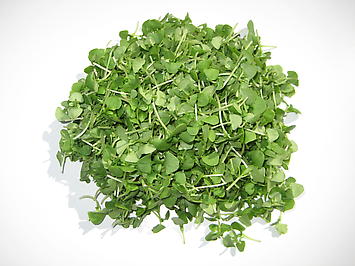
Mary washes spring mix at our
wash station. |
For the CSA drop-offs, Michele drops our
little girls off at Grandpa and Grandma's and meets Fred at the farm to get everything packed, bagged, and organized, and then we head to the drop-off and set up. Most places where we have CSA drop-offs, we also deliver to restaurants, stores, and our home delivery
customers on the same trip, making timing critical on these fast-paced days.
With so many aspects of the farm moving so fast there are a
lot of balls to juggle at the same time in June. Getting all our workers, customers, crops, and equipment moving
together in the same harmonious direction, and managing all the information that flows in and between, is a huge almost crushing undertaking
this time of year. However, it is very gratifying to see so much of the planning,
preparation, stressing, and short nights come to fruition to daily send off
hundreds of pounds of truly good food to people who really value the food they
are getting. It is also great to have a
farm where we can bring home really fresh food everyday and have closer
connections with our community and the many personalities that make up our
local food system.
Recipes